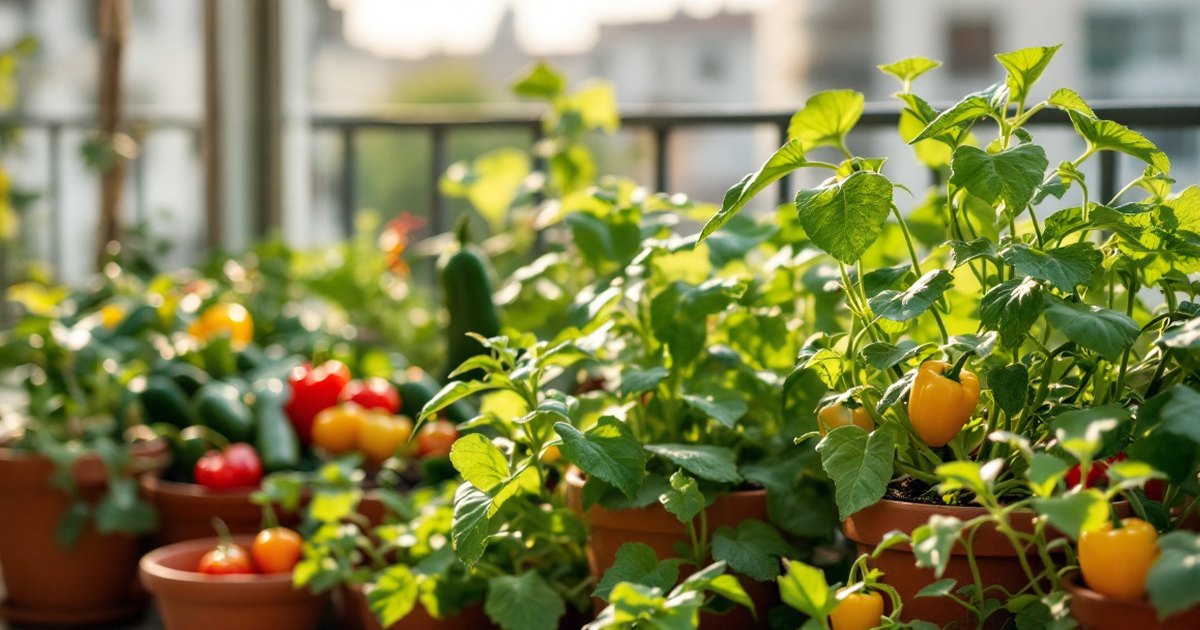
Why Yield per Square Foot Matters on a Balcony
Your balcony space is measured in square feet, not acres. Every pot, every railing planter, and every inch of vertical space counts. The goal is to maximize the amount of fresh food you can harvest from that limited real estate. This ranking focuses on vegetables that give you the most bang for your buck—or rather, the most salad, salsa, or stir-fry for your square foot.
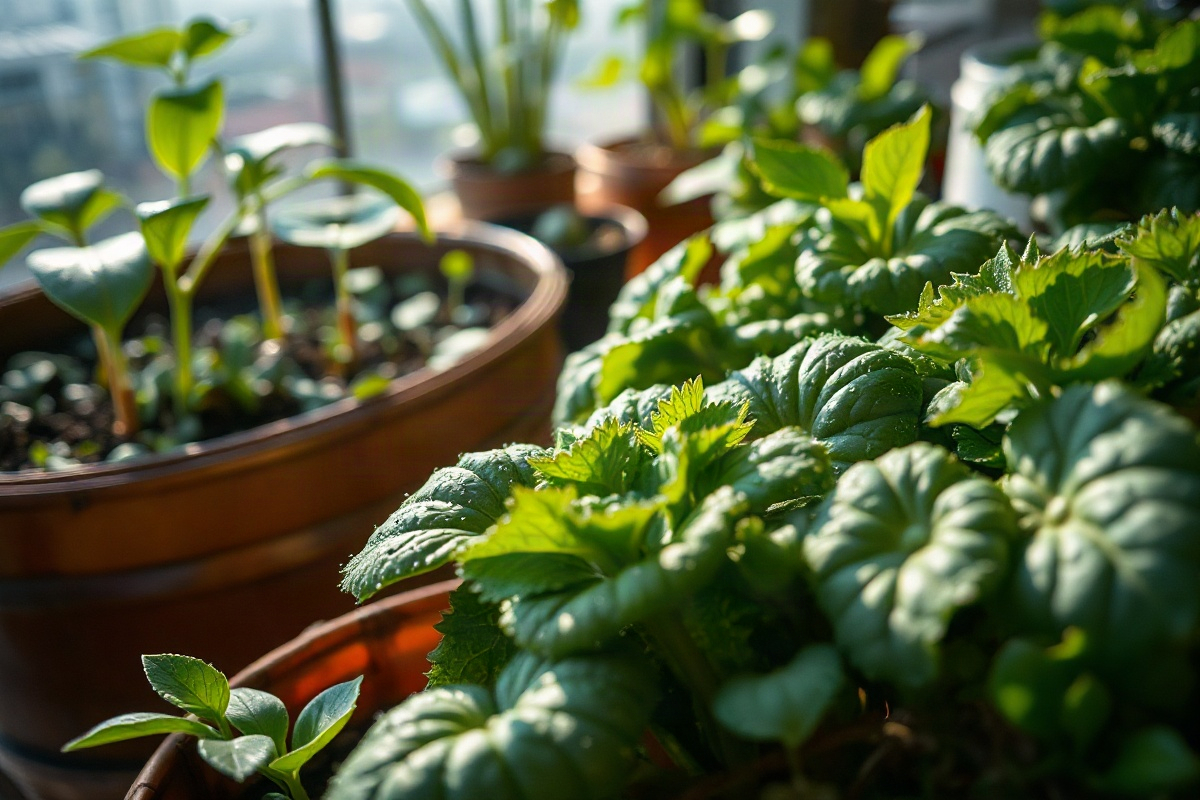
We calculated yield by looking at the average harvest weight per plant over a season and the minimum container size required. A crop that produces 5 lbs of food but needs a 15-gallon pot ranks lower than one that produces 2 lbs from a 3-gallon pot. We also factored in speed (days to harvest) and whether the plant keeps producing after the first pick (indeterminate vs. determinate). This approach ensures your small-space efforts are rewarded with a steady supply of homegrown goodness.
Sun exposure is the other critical factor. Most high-yield crops need at least 6 hours of direct sun. For each vegetable, we note its sun requirements and how it might perform on a north, east, south, or west-facing balcony. Don’t worry if your space is shadier; we’ve included a few high-yield options that tolerate less light.
The Ranking: 25 Best Vegetables for Balcony Yield
Here is the definitive list, starting with the most productive plants for your potted vegetable garden. We’ve included specific cultivar recommendations that are proven performers in containers, along with the exact pot size and soil depth you’ll need for success.
1. Leafy Greens (Cut-and-Come-Again)
Topping our list are cut-and-come-again greens like spinach, kale, and Swiss chard. You can start harvesting outer leaves just 30 days after planting, and the plants will continue producing for months. A single 12-inch wide, 6-inch deep container can yield over 2 lbs of fresh greens throughout the season. For kale, try Dwarf Blue Curled Scotch; for Swiss chard, ‘Bright Lights’ is both productive and stunning.
The key to maximizing yield is to harvest often. Use scissors to cut leaves about an inch above the soil line, and the plant will respond by pushing out new growth. These greens are also shade-tolerant, making them ideal for east-facing balconies that get 4-6 hours of morning sun.
2. Bush Beans
Bush beans are a container gardening superstar. They don’t require staking, produce heavily in a small footprint, and are ready to harvest in about 50 days. A 5-gallon container can support 4-6 plants and yield 1.5-2 lbs of beans over several weeks. ‘Provider’ and ‘Contender’ are reliable varieties that set fruit even in cooler weather.
For a continuous harvest, succession plant new containers every 2-3 weeks. This is one of the best patio vegetable garden seeds you can buy for reliable yield. Beans also fix nitrogen in the soil, which can benefit other plants in your container garden.
3. Radishes
Radishes are the speed demons of the balcony garden. Some varieties are ready to harvest in just 21 days. You can grow them in shallow containers as small as 6 inches deep, and they take up very little space. ‘Cherry Belle’ and ‘French Breakfast’ are classic choices that produce crisp, mild roots.
Interplant radishes between slower-growing crops like tomatoes or peppers. By the time the larger plants need the space, the radishes will have been harvested. This is an excellent way to maximize every square inch of your potted vegetable garden soil.
4. Cherry Tomatoes
No list of vegetables for balcony garden would be complete without cherry tomatoes. While they require larger pots (at least 5 gallons), their yield is phenomenal. A single healthy plant can produce 5-10 lbs of fruit over the season. Determinate (bush) varieties like ‘Patio Choice Yellow’ are easier to manage, but indeterminate varieties like Sun Gold will produce continuously until frost.
Provide a sturdy cage or trellis to support growth. For more tips on maximizing your harvest, see our guide on growing peppers in pots on a balcony, as many principles are similar.
5. Peppers
Both sweet and hot peppers are highly productive in containers. A single plant in a 3-5 gallon pot can yield 10-20 fruits over the season. Shishito peppers are particularly prolific—you’ll harvest them by the handful. For sweet peppers, ‘Lunchbox’ and ‘Yummy’ are compact varieties perfect for pots.
Peppers love heat and sun, so place them on a south or west-facing balcony for best results. They are also perennial in warm climates, so you can overwinter them indoors to get a head start next season.
6. Cucumbers (Bush Varieties)
While vining cucumbers can take over a balcony, bush varieties are compact and productive. ‘Salad Bush’ and ‘Spacemaster’ yield full-sized cucumbers from plants that only spread 2-3 feet. Grow one plant per 5-gallon container and provide a small trellis to save space.
For those with a bit more vertical space, consider growing cucumbers in containers using the vertical method with vining varieties. This can dramatically increase your yield per square foot.
7. Carrots
Don’t believe the myth that carrots need deep ground soil. Many varieties thrive in containers. The key is choosing the right type. ‘Paris Market’ (round) and ‘Little Finger’ (short) can grow in pots as shallow as 8 inches. A 12-inch wide container can yield 2 dozen sweet, crunchy carrots.
Use a loose, sandy potting mix to allow for straight root development. For an in-depth look, our guide on growing carrots in containers covers everything you need to know.
8. Green Onions (Scallions)
Green onions are incredibly space-efficient. You can grow them in a narrow window box or even crowd them into the edges of other containers. They are also one of the few vegetables you can regrow from kitchen scraps. Simply place the white root ends in water until new green shoots appear, then plant them.
For a continuous supply, plant new sets every few weeks. ‘Evergreen Long White’ is a non-bulbing variety that stays tender and is perfect for container gardening.
9. Lettuce (Loose-Leaf)
Like other greens, loose-leaf lettuce is a cut-and-come-again crop. ‘Black Seeded Simpson’ and ‘Oakleaf’ are fast-growing varieties that can be harvested multiple times. They grow well in containers as shallow as 4-6 inches, making them perfect for railing planters.
Lettuce prefers cooler weather, so it’s a great crop for spring and fall. It can also tolerate some shade, making it a good choice for balconies that don’t get full sun all day.
10. Herbs: Basil, Cilantro, Parsley
While technically herbs, these plants are so productive and useful they deserve a spot on the list. A single basil plant in a 2-gallon pot will provide enough leaves for pesto all summer long. Cilantro and parsley are also heavy yielders when harvested regularly.
To keep basil producing, pinch off flower buds as they appear. Cilantro bolts quickly in heat, so plant it in spring and fall, or choose a slow-bolting variety like ‘Calypso’.
11. Peas (Snap and Snow)
Peas are a cool-weather crop that produces a surprising amount of food from a small space. Dwarf varieties like ‘Tom Thumb’ grow only 8-10 inches tall and don’t require staking. A 2-gallon container can hold 4-6 plants and yield pounds of crisp peas.
Plant peas as soon as the soil can be worked in spring. They fix nitrogen, enriching your potted vegetable garden soil for the next crop.
12. Zucchini (Bush Varieties)
Yes, you can grow zucchini on a balcony! Choose compact, bush varieties like ‘Eight Ball’ (round) or ‘Green Machine’. One plant needs a 10-gallon container but will reward you with 3-5 lbs of zucchini. Be vigilant about harvesting while fruits are small to encourage more production.
These plants are heavy feeders, so use a rich potting mix and fertilize regularly. They also need plenty of sun—at least 8 hours for best yield.
13. Beets
Beets pull double duty: you can harvest the sweet roots and the nutritious greens. They grow well in containers at least 8-10 inches deep. ‘Cylindra’ produces elongated beets that are ideal for container depth, while ‘Babybeat’ is bred specifically for small spaces.
Thin seedlings early to give roots room to expand. The thinnings are delicious sautéed or added to salads.
14. Eggplant (Dwarf Varieties)
Compact eggplant varieties are perfectly suited for container life. ‘Fairy Tale’ produces clusters of small, striped fruit on plants that max out at 2 feet tall. ‘Patio Baby’ is another excellent choice. One plant in a 5-gallon pot can yield 10-15 fruits.
Eggplant needs warm temperatures and lots of sun. Start plants indoors to get a jump on the season if you have a short summer.
15. Strawberries
While a fruit, strawberries are a balcony favorite for their high yield in vertical planters and hanging baskets. June-bearing varieties produce one large crop, while everbearing types like ‘Albion’ yield smaller amounts continuously. A strawberry planter pot can hold 10-12 plants and produce several quarts of berries.
Protect ripening fruit from birds with netting. Strawberries also make great container gardening for flowers companions, as their blooms are quite pretty.
16. Arugula
Arugula grows incredibly fast and has a peppery kick that store-bought greens often lack. It can be harvested in just 30 days and will regrow for multiple cuttings. It thrives in shallow containers and even tolerates partial shade.
Plant arugula in early spring and again in late summer for fall harvests. It tends to bolt in summer heat, so provide afternoon shade during the hottest months.
17. Mustard Greens
For a spicy addition to salads and stir-fries, mustard greens are unbeatable. ‘Red Giant’ and ‘Mizuna’ are productive varieties that grow well in containers. Harvest outer leaves as needed, and the plant will keep producing.
Mustard greens are cold-tolerant and can be grown in spring and fall. They add a beautiful splash of color to your balcony garden with their vibrant green and purple leaves.
18. Turnips
Like beets, turnips offer a two-for-one harvest of roots and greens. They grow quickly and don’t need deep soil—8 inches is sufficient. ‘Tokyo Cross’ is a white, mild variety that is perfect for containers.
Harvest turnips when they are small and tender, about 2 inches in diameter. The greens are nutritious and can be cooked like spinach.
19. Dwarf Bok Choy
Asian greens are generally well-suited to containers, and bok choy is no exception. Dwarf varieties like ‘Toy Choy’ form compact heads that are ideal for small spaces. They mature quickly and can be harvested whole or leaf-by-leaf.
Bok choy prefers cool weather and can bolt in heat. Plant it in early spring or late summer for best results.
20. Chard
We already mentioned chard in the greens section, but it deserves its own spot for its longevity and productivity. A single plant can last an entire season, providing colorful stems and leaves. It’s also more heat-tolerant than spinach or lettuce.
Chard is a great “starter” plant for beginners. It’s relatively pest-free and forgiving of occasional neglect.
21. Kale
Another repeat from the greens category, kale is a nutritional powerhouse that keeps on giving. Dwarf varieties like ‘Dwarf Blue Curled’ are perfect for containers. You can harvest leaves from the bottom up for months.
Kale tastes sweeter after a frost, so it’s an excellent crop for extending your balcony garden into autumn.
22. Bush Summer Squash
Similar to zucchini, bush summer squash varieties like ‘Yellow Crookneck’ are productive in large containers. One plant in a 10-gallon pot will provide a steady supply of squash all summer long.
Harvest frequently to prevent fruits from becoming too large and seedy. This encourages the plant to produce more.
23. Collard Greens
Collards are a Southern favorite that grow well in containers. They are heat-tolerant and can be harvested leaf-by-leaf throughout the season. ‘Georgia Southern’ is a reliable variety.
Collards benefit from a rich soil and regular watering. They are heavy feeders, so fertilize every 2-3 weeks.
24. Spinach
Spinach is a cool-weather crop that can be grown in shallow containers. It’s fast-growing and can be harvested multiple times. ‘Space’ is a variety bred for small spaces and container growing.
Plant spinach in early spring and again in fall. It bolts quickly in heat, so provide shade during hot weather.
25. Microgreens
While not a vegetable per se, microgreens are the ultimate space-saving crop. You can grow them in shallow trays on a windowsill or balcony railing. They are ready to harvest in just 7-14 days and pack a nutritional punch.
Common microgreens include radish, broccoli, and sunflower. They are a great way to get fresh greens even in the smallest spaces.
Quick-Reference Yield Table
| Vegetable | Minimum Container Size | Estimated Yield per Plant | Days to First Harvest |
|---|---|---|---|
| Leafy Greens | 1 gal (6″ deep) | 2+ lbs | 30 |
| Bush Beans | 5 gal | 1.5-2 lbs | 50 |
| Radishes | 1 gal (6″ deep) | 10-15 roots | 21-30 |
| Cherry Tomatoes | 5 gal | 5-10 lbs | 60-70 |
| Peppers | 3 gal | 10-20 fruits | 60-80 |
| Bush Cucumbers | 5 gal | 3-5 lbs | 50-60 |
| Carrots | 2 gal (8″ deep) | 12-24 roots | 50-70 |
Choosing the Right Containers and Soil
The container you choose is just as important as the plant. Drainage is non-negotiable—every pot must have holes in the bottom. Fabric pots like 5 Gal Fabric Pots are excellent for vegetables because they air-prune roots and prevent overwatering. For a more aesthetic option, glazed ceramic pots work well but are heavier and more expensive.
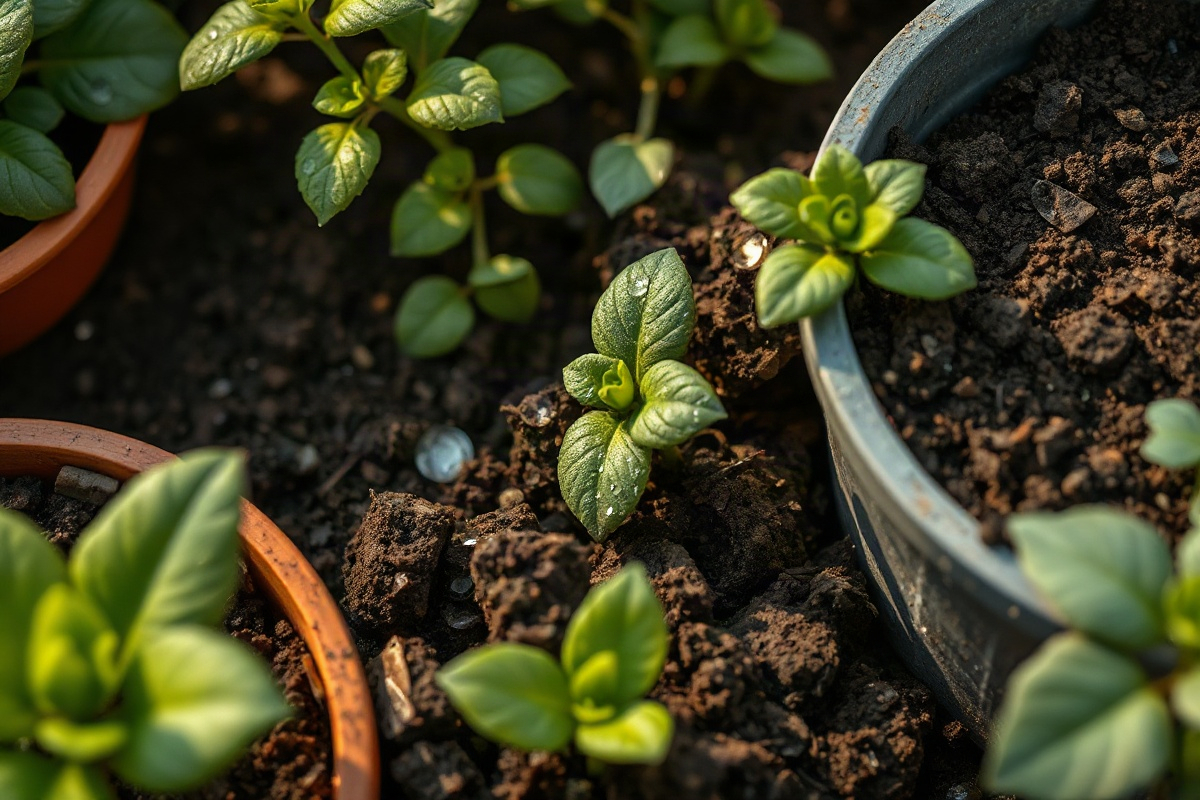
Size matters. Always err on the larger side when possible. A tomato plant will struggle in a 3-gallon pot but thrive in a 5-gallon one. Depth is critical for root vegetables—carrots and beets need deeper pots than greens or herbs.
Never use garden soil in containers. It compacts and doesn’t drain properly. Your potted vegetable garden soil should be a lightweight, well-draining potting mix. A simple DIY mix is 1 part compost, 1 part coconut coir or peat moss, and 1 part perlite or vermiculite. For a pre-made option, Fox Farm Ocean Forest Potting Soil is a premium choice loved by container gardeners.
Maximizing Your Balcony Layout
Think vertically. Use trellises, wall planters, and hanging baskets to double or triple your growing space. Cucumbers, peas, and pole beans naturally want to climb, making them ideal for vertical gardening. Even tomatoes and peppers can be trained up a support.
Group plants with similar needs together. Place sun-lovers like tomatoes and peppers on the brightest part of the balcony. Greens and herbs can go in slightly shadier spots. Remember to leave enough space between containers for air circulation—this helps prevent disease.
Consider weight. A 10-gallon container filled with wet soil can weigh over 50 lbs. Make sure your balcony can support the load, and distribute weight evenly. Place heavier pots against load-bearing walls rather than in the center of the balcony.
Sun and Season Considerations
Most high-yield vegetables need at least 6 hours of direct sun. South-facing balconies are ideal. West-facing gets hot afternoon sun, which peppers and tomatoes love. East-facing gets gentler morning sun, perfect for greens and herbs. North-facing balconies are challenging but can grow leafy greens, herbs, and some root vegetables with 4 hours of sun.
Know your seasons. Cool-weather crops like peas, lettuce, and spinach thrive in spring and fall. Warm-weather crops like tomatoes and peppers need to be planted after your last frost date. To extend your season, use row covers or bring pots indoors on cold nights.
Succession planting is key to continuous harvest. Instead of planting all your lettuce at once, plant a few pots every two weeks. This ensures you have a steady supply rather than one giant harvest.
Feeding and Watering for Maximum Yield
Containers dry out faster than ground soil, so watering is critical. Check pots daily during hot weather. Water deeply until it runs out the drainage holes, then let the top inch dry out before watering again. Self-watering pots or terracotta watering spikes can help maintain consistent moisture.
Fertilize regularly. Nutrients get washed out with frequent watering. Use a balanced organic fertilizer every 2-4 weeks. For heavy feeders like tomatoes and peppers, use a fertilizer higher in phosphorus and potassium to encourage flowering and fruiting.
Mulch the soil surface with straw, shredded leaves, or even cardboard. This helps retain moisture, suppress weeds, and keep soil temperatures more consistent.
Common Mistakes to Avoid
Overcrowding is the number one mistake. It’s tempting to pack as many plants as possible into a container, but this leads to competition for light, water, and nutrients. Follow spacing guidelines on seed packets—they exist for a reason.
Ignoring pests until it’s too late. Check plants regularly for signs of aphids, spider mites, or caterpillars. Catch problems early and treat with insecticidal soap or neem oil. Healthy plants are less susceptible to pests, so keep them well-fed and watered.
Forgetting to harvest. Many plants, like zucchini and beans, will stop producing if fruits are left to mature on the plant. Harvest frequently to encourage more production. For cut-and-come-again greens, regular harvesting actually extends the plant’s life.
Key takeaways
- Focus on cut-and-come-again greens, bush beans, radishes, and compact tomatoes and peppers for the highest yield in small spaces.
- Choose containers with adequate drainage and size—depth matters as much as width for root crops.
- Use vertical space with trellises and hanging planters to effectively double your growing area.
- Water and fertilize consistently; container plants need more frequent attention than in-ground gardens.
- Succession plant and interplant to maximize continuous harvest throughout the season.
Frequently asked questions
What is the easiest high-yield vegetable to grow on a balcony?
Leafy greens like kale and Swiss chard are the easiest high-yield crops. They grow quickly, don’t require much space, and are relatively pest-free. You can start harvesting in about 30 days, and plants will continue producing for months with regular picking.
How much sun do balcony vegetables need?
Most fruiting vegetables like tomatoes, peppers, and cucumbers need at least 6 hours of direct sun. Leafy greens and herbs can tolerate 4-6 hours. If your balcony gets less than 4 hours of sun, focus on greens, herbs, and root vegetables like radishes and carrots.
Can I grow vegetables on a small north-facing balcony?
Yes, but you’ll need to choose shade-tolerant varieties. Stick to leafy greens (lettuce, kale, spinach), herbs (mint, parsley, chives), and root vegetables (radishes, beets, carrots). These can produce well with 4 hours of direct sun or bright indirect light.
How do I keep my balcony garden from blowing over?
Use heavy pots (ceramic, concrete) for base plants, or place lighter pots inside heavier decorative containers. Group pots together to create weight. For railing planters, ensure they are securely fastened with brackets rated for the filled weight. Avoid tall, top-heavy arrangements in windy locations.
Ready to start your high-yield balcony garden? Explore our complete guide on how to start a balcony vegetable garden for step-by-step instructions, or browse more best vegetables for containers to plan your productive space.