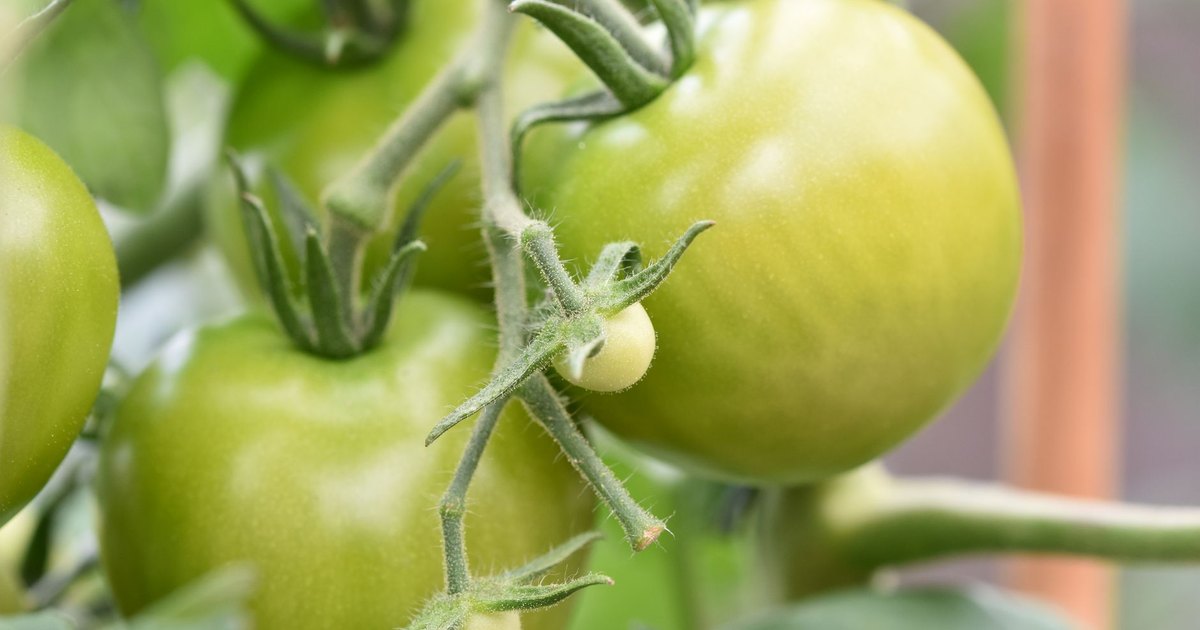
How to Grow Tomatoes in Pots on a Balcony: Varieties, Containers and Care
Are you an apartment renter or condo owner with a balcony, patio, or fire escape, longing to grow your own fresh tomatoes? You’re not alone. Growing tomatoes in pots on a balcony can be incredibly rewarding, but it comes with its own set of challenges. This guide will walk you through the process, from choosing the right varieties to providing the care your plants need to thrive.
The short answer: Start with container-friendly varieties like Tumbling Tom Red or Sun Sugar. Use at least 3-gallon pots, provide 6-8 hours of sunlight, and water regularly. For a detailed guide, keep reading!
Choosing the Right Tomato Varieties
Container-Friendly Tomatoes
Not all tomatoes are well-suited for container gardening. Dwarf and determinate varieties are your best bet because they have a more compact growth habit and are less likely to outgrow their pots. Some excellent choices for balconies include:
- Tumbling Tom Red: A trailing variety that performs exceptionally well in hanging baskets or window boxes. It produces a abundant yields of small, sweet tomatoes.
- Sun Sugar: A cherry tomato that is both sweet and prolific. It grows well in 3-gallon pots and can handle a bit of shade.
- Micro Tom: One of the smallest tomato plants available, ideal for small balconies. It can thrive in a 1-gallon container and produces tiny, flavorful fruits.
For a more comprehensive list, check out our guide to the best tomato varieties for pots and balconies.
Indeterminate vs. Determinate Varieties
Understanding the difference between indeterminate and determinate tomatoes is crucial for balcony gardening:
- Indeterminate: These varieties continue to grow and produce fruit throughout the season. They require more support and pruning but can yield a larger harvest over time. Examples include Beefsteak and Cherry Romance.
- Determinate: These varieties grow to a fixed size and produce most of their fruit in a short period. They are more manageable in containers and are perfect for a balcony with limited space. Examples include Patio Pride and Bush Early Girl.
Choose determinate varieties if you want a controlled, compact plant, and indeterminate varieties if you have more space and are willing to manage the plant’s growth.
Selecting the Right Containers
Pot Sizes Matter
The size of your container directly affects the health and productivity of your tomato plants. Tomatoes need ample root space to support their growth. Here are some guidelines:
- Determinate Tomatoes: Use 3-5 gallon pots. These plants have a more compact root system and can thrive in smaller containers.
- Indeterminate Tomatoes: Use 5-10 gallon pots. Larger pots provide the necessary space for the extensive root systems of indeterminate varieties.
For a detailed guide on pot sizes, refer to our article on how big a pot tomatoes need.
Types of Containers
There are several types of containers you can use for growing tomatoes on a balcony:
- Plastic Pots: Lightweight and affordable. They retain moisture well but can degrade over time in direct sunlight.
- Ceramic Pots: Heavy and durable. They look great but can be expensive and may break if dropped.
- Fabric Pots: Breathable and promote healthy root growth. They are lightweight and easy to move around.
- Hanging Baskets: Perfect for trailing varieties like Tumbling Tom. They save space and add visual interest.
For a complete guide to growing cherry tomatoes in hanging baskets, check out our article on the topic.
Securing Containers
Ensure that your containers are secure, especially if they are heavy or on a high balcony. Railing planters should be secured with brackets rated above the filled weight to prevent accidents. Always check your building’s weight limits before placing heavy containers on your balcony. For more information, refer to our complete beginner guide to starting a balcony vegetable garden.
Soil and Fertilization
Choosing the Right Soil
Using the right soil is crucial for the success of your tomato plants. Container tomatoes thrive in a well-draining, nutrient-rich potting mix. Avoid using garden soil as it can be too heavy and may contain pests and diseases. A good potting mix should:
- Contain a mix of peat moss, perlite, and vermiculite for drainage and aeration.
- Be rich in organic matter, such as compost or aged manure.
- Have a slightly acidic pH (6.0-6.8), which is ideal for tomato plants.
Consider using a tomato-specific potting mix for the best results.
Fertilizing Tomatoes
Tomatoes are heavy feeders and require regular fertilization to produce a bountiful harvest. Here are some tips for fertilizing your balcony tomatoes:
- Slow-Release Fertilizer: Apply a slow-release fertilizer when planting. This will provide a steady supply of nutrients over several months.
- Liquid Fertilizer: Supplement with a water-soluble fertilizer every 2-3 weeks during the growing season. Look for a balanced fertilizer with a ratio of 10-10-10 or 20-20-20.
- Organic Options: Use organic fertilizers like fish emulsion, seaweed extract, or compost tea. These are gentle on the environment and promote long-term soil health.
Remember to follow the label instructions for the amount and frequency of fertilization to avoid overfeeding your plants.
Watering and Drainage
Watering Tomatoes
Proper watering is essential for the health of your tomato plants. Container tomatoes may dry out faster than those in the ground, so they need more frequent watering. Here are some tips:
- Check Soil Moisture: Insert your finger into the soil up to the first knuckle. If it feels dry, it’s time to water.
- Water Deeply: Water until water runs out of the drainage holes at the bottom of the pot. This ensures that the entire root ball is evenly moistened.
- Avoid Overwatering: Overwatering can lead to root rot and other fungal diseases. Water only when the top inch of soil is dry to the touch.
Consider using a self-watering pot to maintain consistent moisture levels.
Ensuring Proper Drainage
Without proper drainage, water can accumulate in the bottom of the pot, leading to root rot and other issues. Here are some tips to ensure good drainage:
- Use Pots with Drainage Holes: Choose containers with multiple drainage holes at the bottom.
- Add Gravel or Perlite: Place a layer of gravel or perlite at the bottom of the pot to improve drainage.
- Avoid Sitting Water: Use a saucer or tray under the pot to catch excess water, but empty it regularly to prevent water from sitting in the saucer.
Good drainage is crucial for maintaining healthy roots and preventing water-related issues.
Light and Temperature Requirements
Sunlight Needs
Tomatoes require at least 6-8 hours of direct sunlight per day to produce a good yield. When choosing a spot on your balcony, consider the following:
- South-facing Balconies: Receive the most sunlight and are ideal for growing tomatoes.
- West-facing Balconies: Get strong afternoon sun, which can be intense. Use a shade cloth if necessary to protect plants from scorching.
- East-facing Balconies: Receive morning sun, which is gentler. Suitable for tomatoes but may result in a slightly lower yield.
- North-facing Balconies:Receive the least sunlight. Choose varieties that can tolerate partial shade, such as cherry tomatoes.
If your balcony doesn’t get enough natural light, consider using grow lights to supplement.
Temperature Management
Tomatoes are warm-season plants and thrive in temperatures between 70-85°F (21-29°C). However, they can be sensitive to extreme heat and cold. Here are some tips for managing temperature:
- Heat Protection: Protect your plants from extreme heat by using shade cloth or moving them to a cooler, shaded area during the hottest part of the day.
- Frost Protection: If there’s a risk of frost, cover your plants with a frost blanket or move them indoors. Tomatoes are sensitive to frost and can be damaged or killed by freezing temperatures.
- Temperature Tolerance: Some varieties are more tolerant of extreme temperatures. For example, Solar Fire is known for its heat tolerance, while Sub-Arctic Plenty can handle cooler conditions.
Understanding your local weather patterns and choosing appropriate varieties can help your tomatoes thrive.
Pest and Disease Management
Common Pests and How to Manage Them
Tomatoes can attract a variety of pests that can damage or kill your plants. Here are some common pests and how to manage them:
- Aphids: Small, soft-bodied insects that feed on plant sap. Use a strong spray of water to knock them off or apply neem oil.
- Spider Mites: Tiny mites that create webbing on the undersides of leaves. Increase humidity and use a insecticidal soap.
- Hornworms: Large, green caterpillars that can defoliate plants quickly. Handpick them or use Bacillus thuringiensis (BT).
Always check your plants regularly for signs of pests and take action as soon as you notice a problem.
Common Diseases and How to Manage Them
Tomatoes are also susceptible to various diseases that can impact their health and yield. Here are some common diseases and how to manage them:
- Early Blight: Caused by a fungus, this disease results in dark spots on leaves. Remove affected leaves and use a copper fungicide.
- Late Blight: Also caused by a fungus, this disease can cause rapid defoliation and fruit rot. Remove infected plants and avoid watering the foliage.
- Blossom End Rot: Caused by a calcium deficiency, this issue results in black, sunken spots on the bottom of the fruit. Ensure consistent watering and use a calcium fertilizer.
Prevention is key when it comes to disease management. Practice good hygiene, rotate crops, and use disease-resistant varieties.
Pruning and Support
Pruning Tomatoes
Pruning is essential for maintaining the health and productivity of your tomato plants. It helps improve air circulation, reduce the risk of disease, and redirect the plant’s energy to fruit production. Here are some pruning tips:
- Remove Suckers: Suckers are shoots that grow in the axils of leaves. Pinch them off to prevent the plant from becoming too bushy.
- Thin Out Leaves: Remove some of the lower leaves to improve air circulation and reduce the risk of fungal diseases.
- Top the Plant: Pinch off the growing tip of the plant when it reaches the desired height to encourage it to focus on producing fruit.
Regular pruning will help your plants stay healthy and productive.
Supporting Tomatoes
Tomato plants can become quite heavy, especially when they are laden with fruit. Providing adequate support is essential to prevent the plants from toppling over. Here are some support options:
- Tomato Cages: Place a tomato cage around the plant when it is young to support its growth.
- Trellises: Use a trellis or stake to train the plant to grow vertically. Secure the plant to the trellis with twine or plant ties.
- Hanging Baskets: For trailing varieties, use a hanging basket with a support structure to keep the plant upright.
Proper support will help your plants grow strong and produce a better harvest.
Troubleshooting Common Issues
Poor Pollination
Pollination is crucial for the development of fruit in tomato plants. If your plants are not setting fruit, it could be due to poor pollination. Here are some solutions:
- Hand Pollination: Use a small paintbrush or cotton swab to transfer pollen from the male to the female parts of the flower.
- Encourage Bees: Grow companion plants that attract bees, such as basil, marigolds, or nasturtiums.
- Humidify the Air: If the air is too dry, mist the plants lightly to help the pollen stick.
Ensuring proper pollination will help your plants produce more fruit.
Blossom Drop
Blossom drop occurs when flowers fall off the plant before setting fruit. This can be caused by several factors, including:
- Temperature Fluctuations: Extreme heat or cold can cause blossom drop. Ensure your plants are in a location with consistent temperatures.
- Poor Nutrition: Lack of nutrients, especially phosphorus, can lead to blossom drop. Use a balanced fertilizer to provide the necessary nutrients.
- Water Stress: Overwatering or underwatering can cause stress to the plant and result in blossom drop. Maintain consistent moisture levels in the soil.
Addressing these issues can help prevent blossom drop and ensure a better harvest.
Harvesting and Storage
When to Harvest
Knowing when to harvest your tomatoes is essential for the best flavor and texture. Here are some tips for harvesting:
- Color: The fruit should be a deep, rich color, depending on the variety. For example, red tomatoes should be a bright, uniform red.
- Firmness: The fruit should be slightly firm but not hard. Overripe tomatoes will be soft and mushy.
- Fragrance: Ripe tomatoes will have a sweet, fruity smell. Sniff the fruit to check for ripeness.
Harvest your tomatoes in the morning when the temperature is cooler, and the fruit is at its peak flavor.
Storing Tomatoes
Proper storage is important to maintain the quality and shelf life of your harvested tomatoes. Here are some storage tips:
- Room Temperature: Store tomatoes at room temperature, away from direct sunlight. Avoid storing them in the refrigerator, as cold temperatures can affect their flavor and texture.
- Use Within a Week: Fresh tomatoes are best used within a week of harvest. If you have an abundance, consider preserving them by canning, drying, or freezing.
- Preservation Methods: Consider making tomato sauce, salsa, or sun-dried tomatoes to enjoy your harvest year-round.
Proper storage will help you enjoy your tomatoes for longer and reduce waste.
Key takeaways
- Choose container-friendly tomato varieties like Tumbling Tom Red, Sun Sugar, or Micro Tom for the best results.
- Use at least 3-gallon pots for determinate varieties and 5-10 gallon pots for indeterminate varieties.
- Ensure your plants receive at least 6-8 hours of sunlight and maintain consistent moisture levels.
- Prune and support your plants to improve air circulation and reduce the risk of disease.
- Harvest tomatoes when they are ripe, and store them at room temperature to maintain their flavor and texture.
Frequently asked questions
Can I grow tomatoes in a north-facing balcony?
While a north-facing balcony receives the least sunlight, you can still grow tomatoes if you choose shade-tolerant varieties like cherry tomatoes or Micro Tom. Consider using grow lights to supplement natural light if necessary.
How often should I water my balcony tomatoes?
Water your balcony tomatoes when the top inch of soil is dry to the touch. This may be daily in hot weather, but be sure to check the soil moisture regularly to avoid overwatering.
What are some organic ways to control tomato pests?
Organic methods for controlling tomato pests include using neem oil for aphids, insecticidal soap for spider mites, and Bacillus thuringiensis (BT) for hornworms. Handpicking pests and using physical barriers like row covers can also be effective.
Why are my container tomatoes not producing fruit?
Several factors can cause container tomatoes to not produce fruit, including poor pollination, nutrient deficiencies, and extreme temperatures. Check our guide to 9 fixes for non-producing container tomatoes for detailed solutions.
Ready to start growing your own delicious tomatoes on your balcony? Check out our Tomatoes category for more tips and guides to help you succeed. Happy gardening!