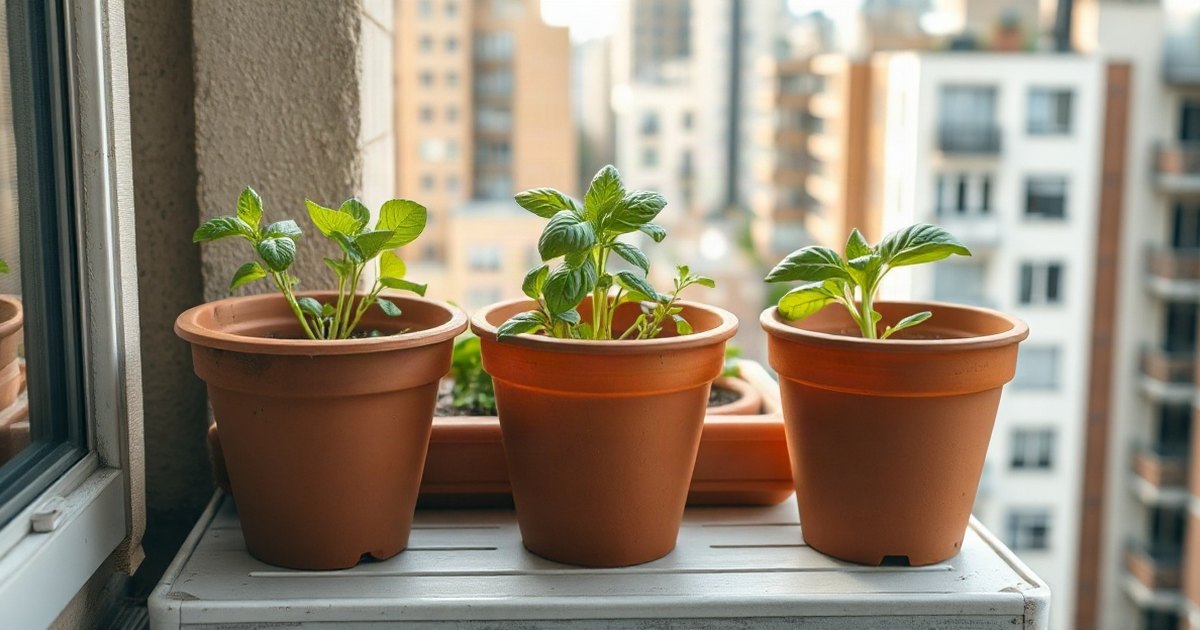
You Have a Balcony. You Want Real Food. Your Budget is Tight.
You look at that small concrete slab outside your window and dream of fresh herbs and sun-warmed tomatoes, but the cost of gardening feels overwhelming. Between pots, soil, seeds, and tools, the startup price can seem high for an experiment. You need a clear, affordable path to turn that dream into your first harvest without breaking the bank or your lease agreement.
The short answer is that a productive, small-scale balcony garden is absolutely possible for under $100. You do not need premium products or a huge collection of gear. By focusing on a few high-impact containers, a single bag of quality potting mix, and a shortlist of easy-to-grow seeds, you can build a complete starter kit. This guide gives you the exact shopping list, with budget and premium options, so you can start growing this weekend.
The Core Philosophy: Start Small, Learn Fast
The biggest mistake new gardeners make is buying too much, too soon. You see a sale on 20-gallon pots and imagine a cornfield, but corn is a terrible balcony crop. You buy ten different seed packets, but only have room for three plants. This leads to wasted money, clutter, and the discouragement of watching most of your plants struggle.
Instead, we advocate for the “three-pot method.” Choose just three containers to start. This forces you to be selective about what you grow and allows you to focus your attention. You will learn more from nurturing three pots that thrive than from managing ten that barely survive. This approach is detailed in our complete beginner guide.
Your goal in the first season is not self-sufficiency; it is education and a steady supply of fresh garnishes and snacks. A single pot of cherry tomatoes can provide a handful of fruit every few days. A planter of mixed lettuce gives you enough for weekly salads. A pot of basil means you never have to buy a plastic clamshell of herbs again. This focused start is the most cost-effective way to begin.
The Shopping List: Your $100 Balcony Garden Kit
This list prioritizes function over form and gets you the essentials without frills. Every item has a specific job, and we provide a budget-friendly choice and a “buy it for life” upgrade where it makes sense.
1. Containers: Your Plants’ Homes
Containers are your biggest upfront cost, but they also last for years. You need pots with drainage holes. Without drainage, plant roots drown. For a starter kit, aim for three containers in different sizes to host a variety of plants.
Budget Option: Recycle food-grade buckets or storage totes. A 5-gallon bucket from a hardware store costs about $5. Drill 8-10 drainage holes in the bottom with a 1/2-inch drill bit. This is perfect for a single tomato, pepper, or cucumber plant. For shallower roots like lettuce and herbs, a 2-gallon nursery pot (often under $2) works perfectly.
Upgrade Option: Fabric pots, like the 5 Gallon Fabric Pots with Handles, are a fantastic investment for $10-$15 for a pack of five. They provide excellent air pruning for healthier roots, are lightweight, and fold flat for storage. A 10-inch plastic self-watering planter ($15-$20) is a great upgrade for herbs and lettuce, reducing how often you need to water.
2. Potting Mix: The Foundation of Life
Do not use garden soil from the ground. It compacts in containers, suffocating roots and introducing pests and diseases. You need a potting mix, which is specifically formulated to be light, fluffy, and well-draining.
Budget Option: A 1.5 cubic foot bag of a reliable, basic potting mix like Miracle-Gro Potting Mix 1.5 cu ft costs about $12. This is more than enough to fill your three starter pots with some left over for top-dressing later. Avoid “garden soil” or “topsoil” bags—look for the words “potting mix” on the label.
Upgrade Option: For about $20, you can get a bag of premium organic potting mix, like FoxFarm Ocean Forest Potting Soil. These often contain compost and other natural fertilizers that can feed your plants for the first month, giving you a head start. One 1.5 cu ft bag will still be sufficient for your starter kit.
3. Seeds and Seedlings: Choosing Your First Crops
For your first season, choose plants that are proven to succeed in containers and give a quick return. We recommend one “thriller” (a tall plant like a tomato), one “filler” (a bushy plant like lettuce), and one “spiller” (a trailing plant like herbs).
Best Balcony Crops to Start From Seed: Lettuce (any loose-leaf blend), radishes (Cherry Belle), bush beans (Provider), and basil. A packet of each costs about $3-$4. You can direct-sow these in your pots.
Best to Buy as Young Plants (Seedlings): Tomatoes and peppers. These take a long time to grow from seed and buying a $4 seedling gives you a 6-8 week head start. For tomatoes, choose a compact, determinate (bush-type) variety like Patio Princess or a prolific cherry type like Tumbling Tom. For peppers, any dwarf or “lunchbox” variety is ideal.
4. Tools and Extras: The Minimalist Toolkit
You do not need a full shed of tools. Three items will cover 95% of your tasks.
Watering Can: A 1-gallon watering can with a long, removable rose (the shower head) is perfect. It’s easy to fill and the rose delivers a gentle stream that won’t wash away your soil or seeds. A basic plastic model costs about $10.
Hand Trowel: This is for digging small holes for transplants and seedlings. A simple, sturdy metal trowel can be found for $5-$7.
Gardening Gloves: A cheap pair of cloth or latex-coated gloves ($5) will keep your hands clean and protected from rough pot edges.
5. Fertilizer: Plant Food for Later
Potting mix has some initial nutrients, but they are used up within 4-6 weeks. After that, you need to feed your plants. A simple, balanced liquid fertilizer is easiest for beginners.
Best Option: A quart of Jobes Organic All-Purpose Fertilizer (4-4-4) costs about $10 and will last your small garden all season. You dilute it in your watering can and apply every two weeks. It’s gentle and effective.
Balcony Garden Starter Kit Product Comparison
| Product | Best For | Key Spec / Note | Price Range |
|---|---|---|---|
| 5-Gallon Fabric Pot (pack of 5) | Tomatoes, peppers, cucumbers | Promotes healthy roots, lightweight, reusable | $12 – $18 |
| Miracle-Gro Potting Mix (1.5 cu ft) | All container plants | Reliable and readily available baseline mix | $10 – $13 |
| Tumbling Tom Tomato Seeds | Hanging baskets, rail planters | Compact, heavy-yielding cherry tomato | $4 – $6 |
| Jobes Organic Liquid Fertilizer (qt) | Feeding all plants after first month | Gentle, organic, easy-to-use liquid feed | $9 – $12 |
| 10″ Self-Watering Planter | Lettuce, herbs, greens | Reduces watering frequency to every 7-10 days | $15 – $20 |
Verdict: For a true beginner on a tight budget, prioritize the fabric pots, basic potting mix, seeds, and fertilizer. The self-watering planter is a fantastic upgrade for your second container, especially if you know you’ll forget to water. This core combination provides everything you need for a successful start.
Assembling and Setting Up Your Kit
Now that you have your components, it’s time to put them together. First, always check your balcony’s weight limit. A 5-gallon fabric pot filled with wet soil can weigh over 30 pounds. Distribute your pots around the edges of the balcony, which are the strongest points, and never cluster them all in one spot.
To pot a plant, place your empty container where it will live. Fill it with potting mix to about 1-2 inches from the rim. For seeds, follow the depth instructions on the packet. For seedlings, dig a small hole, gently place the plant’s root ball in, and firm the soil around it. Water thoroughly immediately after planting until water runs out of the drainage holes.
Arrange your pots based on their sun needs. Tomatoes and peppers need a minimum of 6 hours of direct sun, so place them on the south-facing side if you have one. Lettuce and herbs can tolerate (and even prefer) a bit less sun, around 4 hours, making them perfect for east-facing balconies. For more ideas on arranging your space, see our post on apartment garden ideas for renters.
Ongoing Care: The 5-Minute Daily Routine
Balcony gardening is a practice of little and often. Your main daily task is to check your plants. Stick your finger an inch into the soil. If it’s dry, water thoroughly. If it’s damp, leave it alone. Overwatering is a more common killer than underwatering.
Once your plants are established (about 4 weeks after planting), start feeding them with the diluted liquid fertilizer every two weeks. Keep an eye out for pests like aphids. A strong spray of water from a bottle is often enough to dislodge them. For more on avoiding common pitfalls, read 10 mistakes beginners make.
Harvest regularly! Picking ripe tomatoes and snipping outer lettuce leaves encourages the plant to produce more. This is the most rewarding part of the process. To see what kind of yield you can realistically expect from a small setup, our cost and yield breakdown provides real numbers.
Key Takeaways
- Start with just three pots to learn effectively without overwhelm or overspending.
- Invest in quality potting mix, not garden soil, as the foundation for healthy plants.
- Choose proven container varieties: determinate tomatoes, loose-leaf lettuce, bush beans, and compact herbs.
- Your essential tool kit is a watering can, a hand trowel, and gloves—nothing more is needed to start.
- Always check your balcony’s weight limit and distribute heavy pots around the reinforced edges.
Frequently Asked Questions
Can I really grow vegetables on a balcony that only gets 4 hours of sun?
Yes, but you must choose your crops carefully. Full-sun vegetables like tomatoes and peppers will struggle. Instead, focus on leafy greens (lettuce, spinach, kale), herbs (mint, parsley, chives), and root vegetables like radishes. These crops can produce a good harvest with just 4-6 hours of direct sunlight.
Is it cheaper to buy a pre-made kit or piece it together myself?
It is almost always cheaper and better to assemble your own kit. Pre-made kits often include low-quality soil, flimsy tools, and seeds for plants that are not suited for containers. By choosing each component yourself, you ensure quality and only pay for what you actually need.
How often do I need to water my balcony garden?
There is no fixed schedule. It depends on pot size, weather, and plant type. The only reliable method is the finger test: water when the top inch of soil is dry. In the heat of summer, small pots may need water daily, while larger pots might only need it every 2-3 days.
Do I need to bring my plants inside in the winter?
This depends on your climate and what you’re growing. Tomatoes and peppers are annuals killed by frost and must be replanted each year. Many herbs (like rosemary and thyme) are perennials and can be brought inside to a sunny window to survive winter, allowing you to keep them for years.
Ready to begin? This starter kit is your first step. For more detailed guides, inspiration, and tips for every stage of your gardening journey, explore all our articles in the Getting Started category.