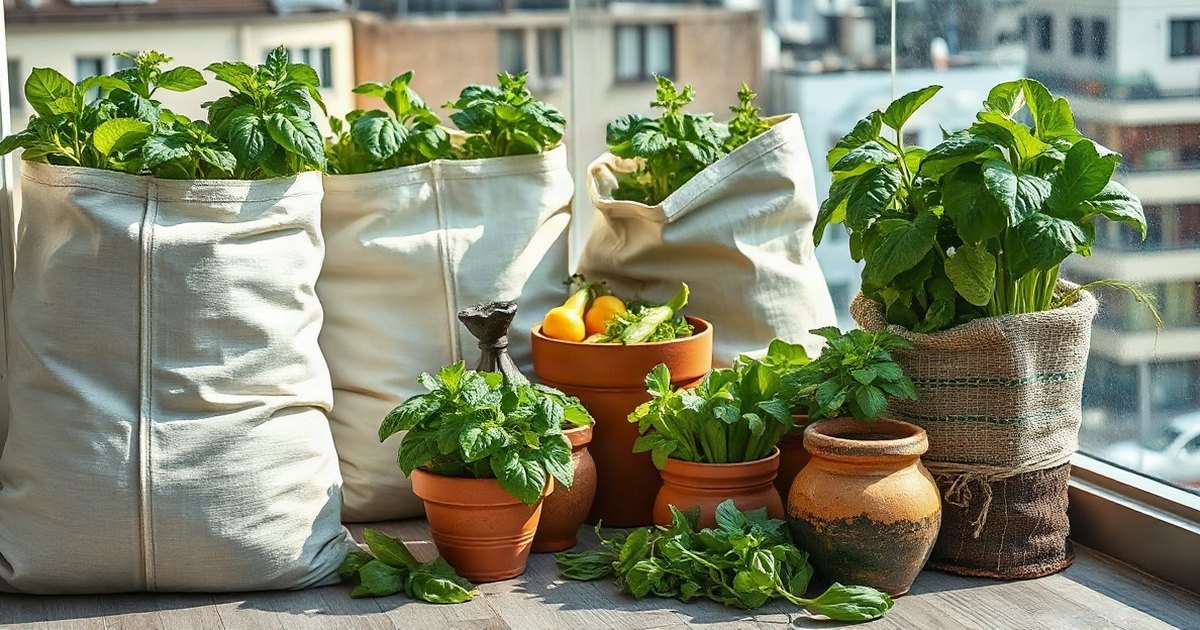
You want to grow your own tomatoes and herbs, but your only outdoor space is a concrete balcony or a small patio. You’ve seen beautiful patio vegetable garden containers online, but you’re not sure which ones will actually work for real food, not just flowers. The wrong container can mean stunted plants, constant watering, or even a safety hazard.
The short answer is this: start with the plant’s needs, not the pot’s looks. Most vegetables need containers that hold at least 5 gallons of soil, with depth being more critical than width for root crops. Fabric grow bags and plastic pots offer the best balance of affordability, drainage, and root health for a beginner. For a quick start, get a 5-gallon bucket for a tomato, a 3-gallon fabric pot for peppers, and a 12-inch window box for lettuces and herbs. Always check your balcony vegetable garden box or railing’s weight limit before you buy anything.
Why Container Choice Matters More Than You Think
Choosing a container for your container garden for front porch isn’t just about aesthetics. The pot is your plant’s entire universe. It dictates how much water is available, how hot or cold the roots get, and whether the plant has enough room to mature and produce a harvest. A pot that’s too small will dry out in hours on a sunny balcony, stressing the plant and leading to tiny, bitter fruits. A pot without drainage will drown the roots, causing rot. Getting the container right is the first and most important step toward a successful harvest.
Beyond plant health, container choice is a matter of practicality and safety on a balcony. A large ceramic pot filled with wet soil can weigh over 50 pounds. Before you buy any container, you must understand your balcony’s load capacity. Most modern balconies are designed for around 50 pounds per square foot, but older buildings may have lower limits. Spread the weight out by using several medium-sized pots instead of one massive trough. Our guide on how to start a balcony vegetable garden covers this crucial first step in more detail.
Finally, consider your own time and energy. A patio vegetable garden planter that needs watering three times a day is a recipe for burnout. Materials like unglazed terra cotta and coir-lined baskets lose moisture quickly, while plastic and self-watering containers conserve it. Your goal is to create a system that thrives with your schedule, not one that chains you to a watering can. Choosing the right container from the start makes balcony gardening a joy, not a chore.
The Pros and Cons of Every Container Material
Each material has its own personality, affecting water retention, weight, cost, and durability. There is no single “best” material; the best one is the one that suits your specific plants, climate, and balcony conditions.
Plastic Pots: The Affordable Workhorse
Plastic pots are the most common choice for a reason. They are lightweight, inexpensive, and excellent at retaining moisture, which means less frequent watering. A standard black nursery pot is a perfect starting point for tomatoes and peppers. The downside is that black plastic can heat up quickly in full sun, potentially stressing roots. You can mitigate this by placing light-colored pots inside black ones or choosing lighter-colored plastic. They are also not the most attractive option, but they are functional and can be easily hidden with a decorative outer pot.
Fabric Grow Bags: The Root Health Champions
Fabric grow bags, made from breathable geotextile, are fantastic for promoting healthy root systems. The fabric allows air to penetrate the soil, which “air-prunes” the roots. Instead of circling the pot and becoming rootbound, the roots stop growing when they hit the air, creating a dense, fibrous root system that absorbs water and nutrients more efficiently. This is a huge advantage for a vegetable container for gardening. They are also lightweight when empty and easy to store. The main drawback is that they dry out faster than plastic pots, especially in windy, sunny spots, so they require more attentive watering. We have a dedicated guide exploring the best grow bags for vegetables if you want to dive deeper.
Ceramic and Terra Cotta: Beautiful but Thirsty
Glazed ceramic and classic terra cotta pots are undeniably beautiful and can elevate the look of any balcony vegetable garden planters setup. Glazed ceramic pots hold moisture better, while porous terra cotta wicks moisture away from the soil, causing it to dry out very quickly. This can be a benefit for plants prone to rot in cool, damp climates, but it’s a major drawback on a hot balcony. Their significant weight is their biggest disadvantage for balconies. A large ceramic pot can be dangerously heavy, so always check your weight limits and consider using them for smaller plants like herbs.
Wooden Planters: The Natural Insulator
Wooden planters, like cedar or redwood boxes, offer excellent insulation for plant roots, protecting them from temperature swings. They are sturdy and have a rustic appeal that works well for a container gardening for decks theme. However, they are heavy, can be expensive, and will eventually rot. Using a liner can extend their life. A common size like a 2′ x 2′ cedar box provides ample space for a small salad garden or a couple of bush cucumber plants.
Self-Watering Planters: The Busy Gardener’s Best Friend
Self-watering planters (or sub-irrigated planters) have a reservoir at the bottom that wicks water up into the soil as needed. This can dramatically reduce watering frequency, sometimes to just once a week, making them ideal for people with busy schedules or for growing thirsty crops like tomatoes and eggplants. They prevent overwatering and are very efficient with water use. The trade-off is a higher initial cost and a more complex setup. For a reliable option, the EarthBox Organic Gardening Kit is a popular choice. Explore more in our review of the best self-watering planters for balconies.
Matching Container Size to Your Crops
This is the most critical factor for success. A pot that is too small will confine roots and limit growth. Use this guide as a starting point, and always err on the side of a larger container.
| Vegetable | Minimum Container Size | Ideal Container Size & Notes |
|---|---|---|
| Tomatoes (Bush/Cherry) | 5 gallons | 5-7 gallon fabric bag or pot. Determinate varieties like ‘Patio Princess’ do well in 5 gallons; larger cherries like ‘Sungold’ prefer 7. |
| Tomatoes (Large/Vining) | 10 gallons | 10-15 gallon container. A ‘Brandywine’ tomato needs a half-barrel (20+ gallons) to reach full potential. |
| Peppers (Bell & Chili) | 3 gallons | 3-5 gallon pot. A compact bell pepper like ‘Lunchbox’ thrives in 3 gallons; larger bells need 5. |
| Cucumbers (Bush) | 3 gallons | 5-gallon pot with a small trellis. Varieties like ‘Bush Champion’ are bred for containers. |
| Lettuce & Greens | 1-2 gallons | Wide, shallow planter (6-8 inches deep). A 24-inch window box can hold 3-4 lettuce plants. |
| Carrots & Radishes | Depth is key (8-12″) | Deep pot or box. Use a 12-inch deep container for full-size carrots; shorter varieties like ‘Parisian’ need 8 inches. |
| Beans (Bush) | 2 gallons per plant | A 12-inch pot can hold 3 bush bean plants. They have shallow roots but need space to bush out. |
| Eggplant | 5 gallons | 5-7 gallon container. Compact varieties like ‘Fairy Tale’ are happy in 5 gallons. |
| Herbs (Basil, Parsley) | 1 gallon | 1-2 gallon pot per plant. Basil gets large; a single plant needs its own pot. |
For a more extensive list, our container size guide breaks down the needs of over 20 common vegetables.
Specialty Containers for Balconies and Small Spaces
When square footage is limited, you need to get creative. These containers are designed to maximize vertical space and fit into unique nooks.
Railing Planters: Claim Your Vertical Real Estate
Railing planters hook or sit directly on your balcony railing, instantly adding planting space without using the floor. They are perfect for herbs, strawberries, and cascading flowers. The absolute most important rule with railing planters is security. A plastic planter filled with soil can weigh 20-30 pounds. It must be securely attached with brackets rated for well above that weight. Never use a planter that simply balances on the railing. Our full guide on balcony railing planters covers secure mounting options and the best crops to grow.
Tiered and Ladder Planters
Tiered planters, like the GreenStalk Vertical Planter, are a game-changer for small spaces. They stack multiple planting pockets vertically, allowing you to grow the equivalent of a 5-foot garden in less than 2 square feet of floor space. They are ideal for lettuce, spinach, herbs, and strawberries. Ensure the stand is sturdy and that the planter is placed where it won’t be top-heavy in the wind.
Window Boxes and Wall Planters
If you have a porch railing or a sunny wall, window boxes are a classic choice. A standard 24- to 36-inch box provides enough room for a mini salad bar of leafy greens or a row of herbs. Look for boxes with built-in reservoirs to reduce watering frequency. Wall planters with individual pockets are great for herbs but dry out very quickly and are best for small, drought-tolerant plants like thyme and oregano.
Drainage: The Non-Negotiable Feature
No matter what container you choose, it must have drainage holes. Without an escape route, water pools at the bottom, soil becomes waterlogged, and roots suffocate and rot. This is the number one cause of death for container plants.
If you fall in love with a decorative pot that has no holes, you have two options. The first is to drill your own holes using a masonry bit for ceramic or a standard drill bit for plastic. The second, and often safer method, is to use the decorative pot as a “cachepot.” Grow your plant in a plain plastic nursery pot that fits inside the decorative one. This allows for easy removal for watering and ensures proper drainage. Just remember to empty any water that collects in the bottom of the cachepot after watering.
When using saucers to protect your balcony floor, do not let plants sit in standing water for more than an hour. Elevating the pot within the saucer using pot feet or a few stones creates an air gap and helps prevent the soil from wicking the water back up, keeping the roots healthier.
Where to Buy: Bunnings, Amazon, and Local Nurseries
You have several options for sourcing your balcony vegetable garden bunnings supplies, each with advantages.
Local garden centers and nurseries are excellent because you can see and feel the containers. You can assess the sturdiness of a railing planter or the quality of a ceramic pot firsthand. Staff are often knowledgeable and can offer advice tailored to your local climate. Bunnings Warehouse in Australia, for example, carries a wide range of pots, from basic Horti Black Nursery Pots to more decorative options.
Online retailers like Amazon offer immense variety and convenience, especially for specific items like fabric grow bags or self-watering systems. You can read reviews from other gardeners in similar situations. The downside is shipping costs for large, heavy items and the inability to inspect the product before buying. Big-box home improvement stores like Home Depot or Lowe’s (or Bunnings) offer a hybrid experience, with both in-store selection and online ordering for pickup.
Don’t forget DIY and upcycling. Food-grade 5-gallon buckets (often free from bakeries or restaurants) make excellent planters—just drill holes in the bottom. Old storage totes, wooden crates, and even sturdy baskets can be repurposed. The key is always ensuring adequate drainage and that the material is safe for growing food (avoid containers that held non-food chemicals).
A Sample Shopping List for Your First Balcony Garden
To make it concrete, here is a simple shopping list to get a beginner’s patio vegetable garden containers setup started. This assumes a sunny balcony with at least 6 hours of sun.
- Tomato: One 7-gallon fabric grow bag or a plastic nursery pot. Plant one determinate tomato like ‘Tumbling Tom’ or a cherry tomato like ‘Sweet Million’.
- Peppers: One 5-gallon plastic pot. Plant one bell pepper or two compact chili plants.
- Lettuce & Herbs: One 24-inch long window box or a shallow 10-gallon tub. Plant 3-4 lettuce plants and a few pockets of parsley and cilantro.
- Accessories: A bag of high-quality potting mix (not garden soil), a bag of organic vegetable fertilizer, a watering can, and a small trowel.
This setup gives you a variety of crops to harvest without overwhelming you with maintenance. You can expand from here as you gain confidence.
Key Takeaways
- Container size is critical: Always prioritize depth and volume (aim for 5+ gallons for tomatoes/peppers) over appearance to ensure healthy root growth and a good harvest.
- Material affects watering: Plastic retains moisture, fabric promotes root health but dries faster, and terra cotta is thirsty and heavy. Choose based on your climate and watering habits.
- Drainage is non-negotiable: Every container must have holes to prevent root rot. Use a cachepot system for decorative containers without drainage.
- Safety first: Always check your balcony’s weight limit and securely fasten railing planters with rated brackets to prevent accidents.
- Start small: A few well-chosen containers are better than a crowded balcony. You’ll learn more and enjoy the process more.
Frequently Asked Questions
Can I use buckets from a hardware store for vegetable gardening?
Yes, 5-gallon food-grade buckets are excellent and affordable containers. They are the perfect size for a single tomato, pepper, or eggplant plant. The crucial step is to drill several 1/2-inch drainage holes in the bottom. Avoid buckets that previously held chemicals or non-food materials.
How many vegetable plants can I put in one large container?
It depends on the plant. Generally, one large plant (tomato, pepper, eggplant) per container. For smaller plants, follow spacing guidelines: you can plant 3-4 lettuce heads in a 24-inch window box or 3 bush bean plants in a 12-inch pot. Crowding plants leads to competition for water and nutrients and increases disease risk.
Do I need to put rocks or gravel at the bottom of my pots for drainage?
No, this is a common myth. Adding a layer of rocks or gravel at the bottom of a pot actually reduces effective drainage and raises the water table inside the container, potentially waterlogging the soil above it. The best practice is to fill the entire pot with a high-quality, well-draining potting mix. The drainage holes alone are sufficient.
What’s the difference between a planter and a pot?
The terms are often used interchangeably, but generally, a “pot” is a single, usually round, container for one plant. A “planter” often refers to a larger, sometimes rectangular container (like a window box or raised bed) that can hold multiple plants. In the context of a balcony vegetable garden box, you might use several pots and one long railing planter.
Choosing the right containers is the foundation of your balcony garden. It’s worth taking the time to select pots that suit your space, your plants, and your lifestyle. For more ideas and detailed reviews, explore our complete library of articles in the Containers and Planters category.