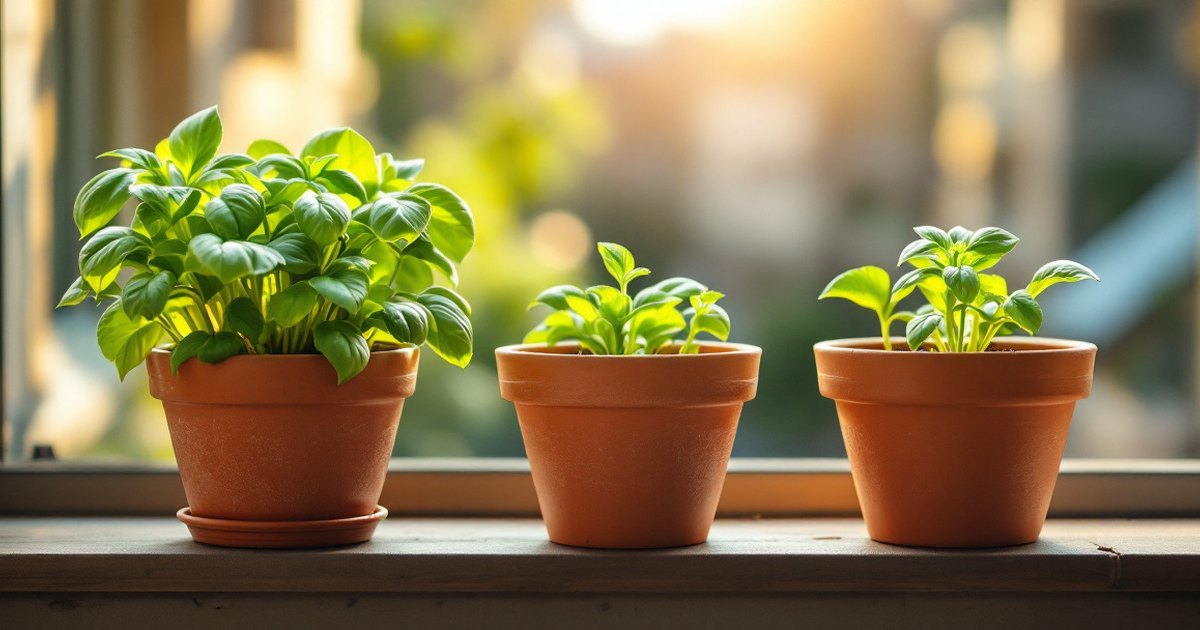
You have a balcony, a few pots, and a dream of fresh tomatoes. But your first attempts at growing food in containers end with wilted leaves and empty pots. You are not alone—most beginners make the same ten mistakes that turn a promising garden into a disappointment.
The short answer is that balcony vegetable gardening fails when you treat it like ground gardening. You need the right containers, soil, plants, and placement. Avoid these ten common errors: using small pots, guessing on sunlight, over or under-watering, skipping drainage, planting the wrong varieties, ignoring weight limits, forgetting to feed your plants, crowding seedlings, skipping pest checks, and starting too big. Focus on these, and you will grow real food.
1. Using Pots That Are Too Small
You see a cute 6-inch pot and imagine a sprawling tomato plant. It will not work. Small pots hold less soil, which means less water and fewer nutrients for your plants. The roots become cramped, and the plant becomes stressed, leading to stunted growth and low yields. This is the most common reason beginners see their plants struggle.
Vegetables need room to stretch their roots. A lettuce plant might be fine in a 1-gallon pot, but a tomato needs at least a 5-gallon container to produce a meaningful harvest. For most balcony gardeners, fabric pots or plastic grow bags are the best choice. They are lightweight, affordable, and promote healthy root growth.
What Size Do You Really Need?
Match the pot size to the plant’s mature size. Start with these minimums:
- Leafy greens & herbs (lettuce, kale, spinach, basil): 1-gallon pot
- Bush beans & peppers: 2 to 3-gallon pot
- Dwarf tomatoes & cucumbers: 5-gallon pot
- Indeterminate tomatoes & large peppers: 7 to 10-gallon pot
When in doubt, go bigger. A 5 gallon grow bag is a versatile starting point for many crops.
2. Guessing on Sunlight
You buy a plant that needs “full sun” and put it on your north-facing balcony that gets three hours of light. It will not thrive. Sunlight is the engine of your garden. Without enough of it, plants cannot photosynthesize effectively, leading to weak growth and no fruit.
Track the sun on your balcony before you buy a single seed. Use your phone’s notes app or a simple notebook. Record how many hours of direct sunlight each area gets over a few days. “Full sun” means at least 6-8 hours of direct sunlight. “Partial sun” is 4-6 hours. “Shade” is less than 4 hours.
Right Plant, Right Place
Match your sunlight to your plants:
- 6-8+ hours of sun (South/West balcony): Tomatoes, peppers, cucumbers, beans, squash.
- 4-6 hours of sun (East balcony): Leafy greens, herbs, radishes, beets, carrots.
- 3-4 hours of sun (North balcony): Lettuce, spinach, mint, parsley, green onions.
Be honest with your space. It is better to grow lush lettuce in the shade than struggle with sun-starved tomatoes.
3. Watering Wrong: Too Much or Too Little
Containers dry out faster than garden beds, but they can also become waterlogged. Both extremes will kill your plants. Under-watering causes wilting and stress, while over-watering suffocates roots and leads to rot.
The best way to check is the finger test. Stick your finger into the soil up to your second knuckle. If it feels dry, it is time to water. If it feels moist, wait a day and check again. Do not water on a fixed schedule. Water when the plant needs it, which changes with the weather.
How to Water Properly
Water deeply until you see it running out of the drainage holes. This ensures the entire root ball gets moist. Then, let the soil dry out slightly before watering again. In the heat of summer, this might mean watering every day. In spring, it might be every three days. A watering can with a long spout helps you target the soil, not the leaves.
4. Skipping Drainage Holes
That beautiful ceramic pot with no hole in the bottom is a death trap for plants. Without drainage, water pools at the bottom, roots sit in water, and rot sets in. This is a non-negotiable rule of container gardening for beginners.
Every single container you use must have drainage holes. If you fall in love with a pot that does not have one, you must drill holes in it yourself. Use a masonry bit for ceramic or clay pots. For metal containers, a standard drill bit will work.
Saucers and Runoff
Use saucers under your pots to protect your balcony floor, but do not let water sit in them for more than an hour after watering. Empty the saucer to prevent the soil from wicking the water back up and creating a soggy environment. This is especially important on wooden decks.
5. Planting the Wrong Varieties
Not all vegetables are created equal for container life. Planting a full-size ‘Brandywine’ tomato or ‘Jack O’Lantern’ pumpkin in a pot is a recipe for disappointment. These plants are too large and heavy for most balcony setups.
Always look for varieties bred for containers. Seed packets and plant tags will often say “compact,” “bush,” “dwarf,” or “ideal for containers.” These plants have been selected to produce well in a confined space.
Top Container Varieties for Beginners
- Tomatoes: ‘Tumbling Tom’, ‘Patio Princess’, ‘Balcony Prize’
- Cucumbers: ‘Spacemaster’, ‘Bush Champion’
- Peppers: ‘Lunchbox’, ‘Mohawk’ (ornamental), ‘Cayenne’
- Green Beans: ‘Mascotte’, ‘Provider’ (bush type)
- Zucchini: ‘Eight Ball’ (bush), ‘Patio Star’
Stick with these known performers. You can explore heirlooms after you have a season or two of success.
6. Ignoring Your Balcony’s Weight Limit
A pot full of wet soil is heavy. A dozen pots are extremely heavy. Most balconies have a weight limit, and exceeding it is a serious safety risk. You must know your limit before you start buying containers.
A 5-gallon fabric pot filled with damp potting soil can weigh 40 pounds. A 10-gallon pot can weigh 80 pounds. Now multiply that by the number of pots you want. The weight adds up quickly. Always check your balcony weight limit first. If you cannot find the building plans, assume a conservative limit of 40-50 pounds per square foot for a concrete balcony, and much less for a wooden one.
How to Reduce Weight
Use lightweight containers like fabric pots or plastic. Use a soilless potting mix, which is much lighter than garden soil or topsoil. You can also use plastic pellets or perlite to lighten your mix. Distribute weight evenly across the balcony, and keep heavier pots against the load-bearing wall.
7. Forgetting to Fertilize
Potting soil is not a endless buffet of nutrients. Every time you water, some nutrients wash out of the drainage holes. After a few weeks, your plants will have eaten all the food that came in the bag. If you do not replenish it, growth will stall.
You need to fertilize regularly. A balanced, water-soluble fertilizer applied every two to three weeks is a good starting point. Look for a formula like 10-10-10 or one tailored for vegetables. Organic options like fish emulsion or seaweed extract work well too.
Simple Fertilizing Schedule
For most container vegetables:
- At planting: Mix a slow-release fertilizer into your potting mix.
- Every 2-3 weeks: Apply a half-strength dose of water-soluble fertilizer.
- When fruiting: For tomatoes and peppers, switch to a fertilizer higher in potassium (the third number) to encourage fruit production.
A simple water soluble tomato fertilizer can work for most fruiting plants.
8. Crowding Your Plants
It is tempting to plant every seed in the packet, but overcrowding is a silent killer. Plants need space for air circulation to prevent disease. They also need space to access light and nutrients without competing with their neighbors.
Follow the spacing guidelines on the seed packet. For containers, you can sometimes plant a little closer, but not much. For example, one tomato plant per 5-gallon pot. Three bush bean plants in a 2-gallon pot. Six carrot seeds, thinned to three plants, in a deep 1-gallon pot.
Succession Planting is the Answer
Instead of planting all your lettuce at once and having it all mature simultaneously, plant a few seeds every two weeks. This gives you a continuous harvest throughout the season and makes better use of your limited space. This is a key technique in getting started with a productive garden.
9. Not Checking for Pests Early
Pests like aphids and spider mites can explode in population on a balcony because their natural predators are not present. If you wait until you see damaged leaves, you are already behind.
Make it a habit to check the undersides of leaves every time you water. Look for tiny bugs, webbing, or eggs. Early detection is everything. You can often control a small outbreak by simply spraying the plant with a strong stream of water or wiping leaves with a damp cloth.
Organic Pest Control
If pests persist, use an organic insecticidal soap or neem oil. Always follow the label instructions. For a simple DIY spray, mix 1 teaspoon of mild liquid soap with 1 quart of water in a spray bottle. Test it on a few leaves first to ensure it does not cause damage.
10. Starting Too Big
The most ambitious beginners often fail because they try to do too much at once. They buy twenty pots, ten seed packets, and every gadget at the garden center. They become overwhelmed, the garden becomes a chore, and they give up.
Start small. Your goal in year one is to learn, not to feed your family. Choose three plants you love to eat. Get them to harvest. You will learn more from three successful pots than from twenty failed ones. A balcony garden starter kit for under $100 is a perfect way to begin without overspending.
Your First Garden Plan
Pick one from each category:
- Herb: Basil or Mint
- Leafy Green: Lettuce or Kale
- Fruiting Plant: Dwarf Tomato or Bush Cucumber
Master these, and then add one or two new things next season. For a detailed walkthrough, see our guide on how to start a balcony vegetable garden.
Key takeaways
- Use large enough pots for your plants—5 gallons is a good minimum for tomatoes and cucumbers.
- Match your plants to your sunlight; do not try to grow full-sun plants in shade.
- Water deeply only when the soil is dry, and always use pots with drainage holes.
- Start with just 2-3 easy plants your first year to learn without overwhelm.
- Always check your balcony’s weight limit and use lightweight containers and soil.
Frequently asked questions
What is the easiest vegetable to grow on a balcony?
Leafy greens like lettuce and kale are the easiest. They grow quickly, do not need huge pots, and can handle some shade. Herbs like mint and basil are also very beginner-friendly.
How often should I water my balcony vegetables?
There is no set schedule. Check the soil with your finger every day. Water only when the top inch of soil is dry. This could be daily in summer heat or every 3-4 days in cooler weather.
Can I use garden soil in my containers?
No. Garden soil is too dense for containers and will compact, suffocating roots. Always use a quality potting mix designed for containers. It is lighter and provides better drainage.
Is balcony gardening worth the cost?
It can be. You will likely not save money your first year, but the taste of home-grown food is priceless. For a detailed cost breakdown, read is container gardening worth it?.
Ready to avoid these mistakes and build your own productive balcony garden? Explore our Getting Started category for more practical guides written for beginners just like you.