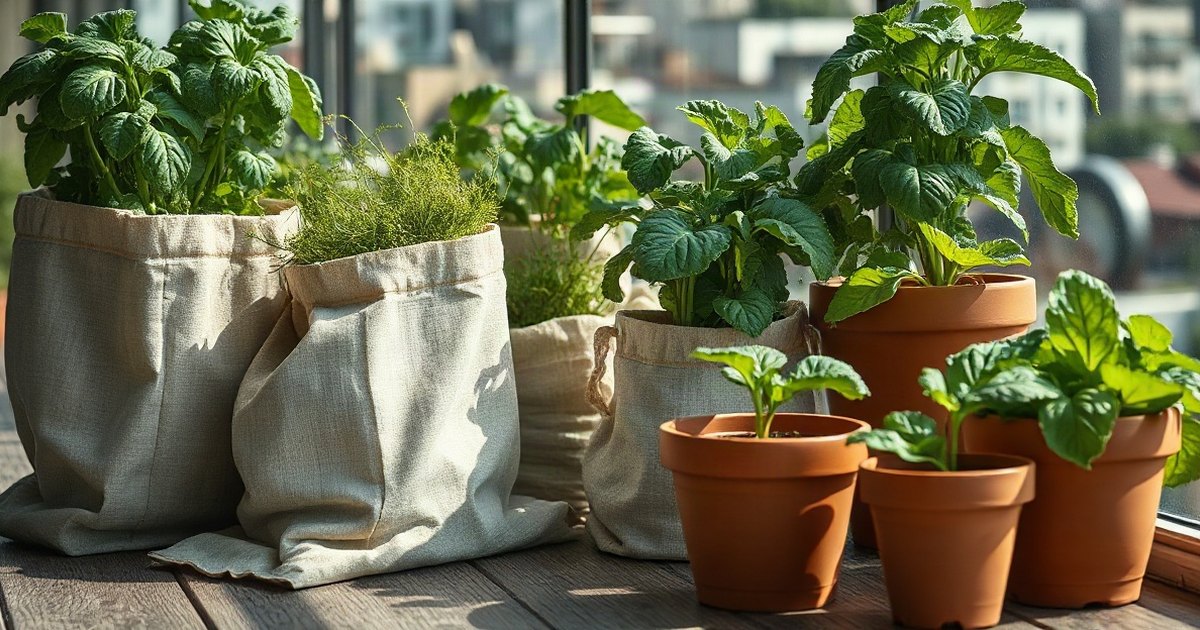
You’re standing on your balcony with a packet of seeds and a dream of homegrown salad, but you’re staring at a sea of pot sizes. A 5-gallon bucket looks huge, but would that tiny herb really need it? Is that decorative pot deep enough for a carrot? Choosing the wrong container is the fastest way to stunt your plants or, worse, watch them fail completely. This Container Size Guide: How Big a Pot Does Each Vegetable Need? will give you the confidence to match your crops to their perfect home.
The short answer is that container size is more about root depth and plant maturity than anything else. A small herb like basil is happy in a 1-gallon pot, while a full-sized tomato needs a minimum of a 5-gallon container to support its extensive root system and heavy fruit production. The goal is to provide enough soil volume to hold moisture and nutrients between waterings and to give roots room to explore without becoming root-bound. This guide breaks it down vegetable by vegetable, so you can stop guessing and start planting.
Why Container Size Isn’t Just About the Plant’s Height
It’s easy to think a taller plant automatically needs a deeper pot, but the real story is happening underground. A plant’s root system is its engine; it’s how it gathers water and food. When you cram that engine into a space that’s too small, it can’t function properly. You’ll end up with a plant that’s constantly stressed, wilting daily no matter how much you water, and producing a fraction of what it could. Getting the size right from the start is the single most important factor for healthy, productive balcony vegetables.
Soil volume is your reservoir. A larger volume of soil holds more water, which means you won’t have to water your plants two or three times a day during a heatwave. It also holds more nutrients, reducing the frequency of fertilizing. For fruiting plants like tomatoes and peppers, a generous pot provides the stability needed to keep a heavy, fruit-laden plant from tipping over in a strong wind—a real hazard on a high balcony. Think of the container as the plant’s life support system; a bigger system is more forgiving and resilient.
Conversely, a pot that’s too large for a small plant can also cause problems. Excess soil that isn’t filled with roots can stay soggy for too long, leading to root rot. This is why it’s often best to “pot up,” starting seeds in small cells and moving plants to gradually larger containers as they grow. This encourages strong root development without risking waterlogging. For most balcony gardeners, aiming for the minimum recommended size is a safe and space-efficient strategy.
Depth vs. Width: What Matters More?
For most vegetables, depth is the critical measurement. Roots need to drive down to access water stored deep in the pot. A shallow but wide pot might hold the same volume of soil as a deep, narrow one, but it won’t provide the root depth that crops like tomatoes or eggplants crave. Focus on finding containers that are at least as deep as the recommended minimum. Width becomes more important for sprawling plants like certain squashes or potatoes, which need horizontal space for vines or tubers to form.
The Quick-Reference Container Size Chart
Use this table as your cheat sheet. The “Minimum Size” is the smallest we would recommend for a single plant to have a decent chance of success. “Ideal Size” gives you more buffer for water and nutrients, leading to a healthier, more productive plant. Depth is the most important dimension to meet or exceed.
| Vegetable | Minimum Size (per plant) | Ideal Size (per plant) | Key Notes |
|---|---|---|---|
| Cherry Tomatoes | 5 gallons, 12″ deep | 7-10 gallons, 14-16″ deep | Dwarf varieties like ‘Tumbling Tom’ can work in 3-gallon hanging baskets. |
| Leaf Lettuce | 1 gallon, 6″ deep | 2-3 gallon window box, 8″ deep | Can be grown closer together; harvest outer leaves continuously. |
| Bell Peppers | 3 gallons, 10″ deep | 5 gallons, 12″ deep | Larger pots help prevent blossom end rot and support heavier fruit. |
| Cucumbers (Bush) | 3 gallons, 10″ deep | 5 gallons, 12″ deep | Look for compact cultivars like ‘Bush Pickle’ or ‘Spacemaster’. |
| Carrots | 2 gallons, 12″ deep | 3-gallon pot or deeper window box | Pot depth directly determines carrot length. Choose short varieties like ‘Parisian’ for shallow pots. |
| Bush Beans | 2 gallons, 8″ deep | 3-5 gallons, 10″ deep | You can plant 2-3 plants in a 5-gallon container. |
| Radishes | 1 gallon, 6″ deep | Wide, shallow pot any depth over 6″ | Grow quickly; perfect for succession planting in smaller containers. |
| Basil | 1 gallon, 6″ deep | 2 gallons, 8″ deep | Larger pots allow you to grow a bigger, bushier plant. |
| Swiss Chard | 2 gallons, 8″ deep | 3 gallons, 10″ deep | One plant can be harvested over a long season. |
| Eggplant | 5 gallons, 12″ deep | 7-10 gallons, 14″ deep | Similar needs to tomatoes; heavy fruit needs solid root support. |
Deep Dive: Sizes for Popular Balcony Crops
Tomatoes: The Heavyweight Champion
Tomatoes are the most common balcony challenge because their size above ground is a direct reflection of their size below. A full-sized indeterminate (vining) tomato like ‘Better Boy’ has a massive, extensive root system that can easily fill a 10-gallon container. For balcony growers, we strongly recommend determinate (bush) or dwarf varieties. A determinate tomato like ‘Patio Princess’ will perform well in a sturdy 5-gallon container. For cherry types, a 5-gallon pot is the minimum, but stepping up to a 7-gallon grow bag or a self-watering planter of similar volume will make your life much easier, especially in hot summers. The container must be deep to accommodate a strong taproot and wide enough to prevent tipping.
Why skimping on size hurts: A tomato in a pot that’s too small will stop growing once its roots hit the sides and bottom. It will become entirely dependent on you for daily water and fertilizer, will be highly susceptible to blossom end rot (a calcium deficiency often caused by irregular watering), and will produce a disappointing harvest. Investing in a properly sized container is investing in the plant’s entire lifecycle. For more options, see our full list of the best containers and planters for balcony vegetables.
Leafy Greens: Shallow but Social
Lettuce, spinach, kale, and Swiss chard have relatively shallow root systems, making them ideal for container life. They don’t need the depth that tomatoes do, but they appreciate horizontal space. A long railing planter that is at least 6-8 inches deep and wide is perfect for a lettuce mix. You can sow seeds densely and harvest them as “cut-and-come-again” greens, snipping the outer leaves and allowing the center to keep growing. This method maximizes yield from a small footprint.
For individual plants like a kale or chard, a 2 to 3-gallon pot is sufficient. The key for leafy greens is consistent moisture, which is easier to maintain in a larger soil volume. A 1-gallon pot will dry out incredibly fast in full sun, causing the leaves to become bitter and the plant to bolt (go to seed) prematurely. If you’re using smaller pots for greens, group them together to create a microclimate that helps retain moisture and be prepared to water frequently.
Root Vegetables: Depth is Non-Negotiable
This one seems obvious, but it’s worth stressing: the length of your carrots, radishes, and beets is directly limited by the depth of your container. A standard carrot variety needs a pot that is at least 12 inches deep to develop properly. If you only have an 8-inch deep planter, you must choose a short variety like ‘Parisian’ or ‘Little Finger’. The same goes for round radishes versus long daikon radishes.
Containers for root crops also need excellent drainage to prevent the roots from rotting. Fabric grow bags are excellent for this, as they provide air pruning that encourages a robust root system and prevents circling. When planting, make sure the soil is loose and free of rocks to allow for straight root development. Crowding is another issue; thin seedlings ruthlessly according to the seed packet instructions to give each root enough space to swell.
Container Materials: How Choice Affects Effective Size
The material your pot is made from can change how you think about size. A 5-gallon plastic pot holds water very differently than a 5-gallon terracotta pot. Porous materials like terracotta and wood allow air and moisture to pass through their walls. This is great for preventing overwatering and cooling roots, but it means the soil will dry out much faster than in a plastic or glazed ceramic pot. Because of this, a plant in a terracotta pot might need a slightly larger volume of soil (or more frequent watering) than the same plant in a plastic pot to achieve the same moisture buffer.
Fabric grow bags offer a unique advantage. They are lightweight, which is crucial for balconies with weight limits, and they promote a phenomenon called “air pruning.” When a root tip reaches the fabric and is exposed to air, it stops growing, preventing the plant from becoming root-bound. This encourages the plant to produce a dense, fibrous root system throughout the entire soil ball, making very efficient use of the available space. Because of this efficiency, you can sometimes get away with the smaller end of the recommended size range when using high-quality fabric pots. For a full breakdown, read our guide on terracotta vs plastic vs fabric pots.
Self-watering planters are another category that changes the game. These containers have a reservoir that waters the plant from below, creating a consistent moisture level that is hard to achieve with top-watering. This can allow you to use a slightly smaller soil volume than you might otherwise need because the risk of drought stress is greatly reduced. They are ideal for thirsty plants like tomatoes and cucumbers. Always ensure any planter you use, especially a heavy self-watering one, is placed on a balcony in a location that can support its weight when full.
Calculating Your Balcony’s Capacity
Before you buy a dozen 10-gallon pots, you need to think about your balcony’s structural capacity. A gallon of water weighs about 8.34 pounds, and saturated soil can weigh even more. A 5-gallon plastic pot filled with wet potting mix can easily weigh 40-50 pounds. Multiply that by several pots, and you have a significant load. Most modern balconies are rated for at least 40-50 pounds per square foot, but this is a critical thing to check with your building management or landlord. Never guess with weight.
This is where strategic container selection comes in. To maximize your growing space without overloading your balcony, use a mix of sizes. Put your large, heavy pots (tomatoes, peppers) directly over the sturdiest part of the structure, usually against the wall where the balcony is best supported. Use lighter-weight options like fabric grow bags or resin planters for medium-sized crops. For herbs and greens, utilize vertical space with a railing planter or a tall, narrow stand that concentrates weight in a small footprint.
Spreading the weight out is also key. Instead of one massive, heavy trough, several smaller pots distributed across the balcony will often put less stress on the structure. Always use pot feet or a plant caddy to elevate containers slightly off the decking. This improves drainage and prevents moisture damage to your balcony surface, and it also allows you to move the pots more easily for cleaning or rearranging.
Key Takeaways
- Depth is more critical than width for most vegetables, as it allows roots to access deep water and nutrients.
- When in doubt, size up. A larger container provides a buffer against underwatering and nutrient deficiency, leading to a less stressful gardening experience.
- Match the plant type to the pot shape: deep pots for tomatoes and root crops, wide pots for greens and bush beans.
- Container material matters. Porous pots dry out faster, effectively reducing their water-holding capacity compared to non-porous pots of the same size.
- Always check your balcony’s weight limit before arranging heavy containers, and distribute weight evenly.
Frequently Asked Questions
Can I use a container that is bigger than the recommended size?
Yes, you generally can, and it often benefits the plant by providing more resources. The main caution is for very small plants in very large pots; the excess soil can stay too wet and lead to root rot. It’s usually best to “pot up” gradually as the plant grows, or if planting a seedling directly into a large pot, be extra careful not to overwater until the roots have filled more of the space.
What happens if a pot is too small?
A pot that is too small will constrict the root system, leading to a stressed plant. Signs include constant wilting (even after watering), stunted growth, yellowing leaves, and significantly reduced fruit or vegetable production. The plant becomes completely dependent on you for frequent water and fertilizer and is more susceptible to pests and diseases.
How many plants can I put in one large container?
This depends entirely on the plant. For large, fruiting plants like tomatoes, peppers, and eggplants, stick to one plant per large pot. For smaller, leafy plants like lettuce, spinach, or herbs, you can plant several together. A general rule is to use the spacing recommended on the seed packet for garden planting as a guide for container spacing. For example, if lettuce should be spaced 10 inches apart in the ground, you can put one plant per 10 inches of container space.
Do I need to add rocks or gravel to the bottom of the pot for drainage?
No, this is a common myth. Adding a layer of rocks or gravel to the bottom of a pot actually reduces effective drainage and raises the perched water table—the level of saturated soil—higher up into the root zone. The best practice is to fill the entire pot with a quality, well-draining potting mix and ensure the pot has adequate drainage holes in the bottom.
Choosing the right container size is the first and most critical step to a thriving balcony garden. It removes a major source of stress for both you and your plants. For more ideas and detailed reviews of different planter types, explore our complete guide to containers and planters to find the perfect fit for your space.