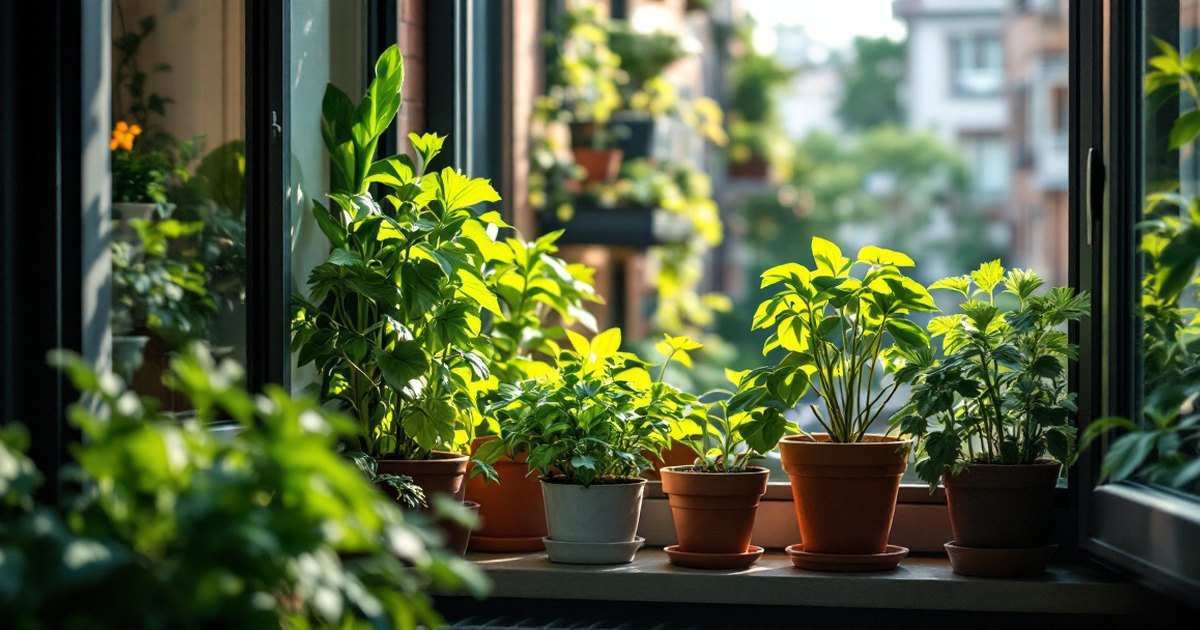
You Want to Grow Food, But Your Balcony Is Shady
You look at your balcony and see more shadow than sun. You’ve heard vegetables need six to eight hours of direct light, and your space doesn’t come close. The desire to grow your own food is strong, but the doubt is stronger. Is it even possible?
Disclosure: This post contains affiliate links. If you click through and make a purchase, we may earn a small commission at no extra cost to you. Thank you for supporting this site!
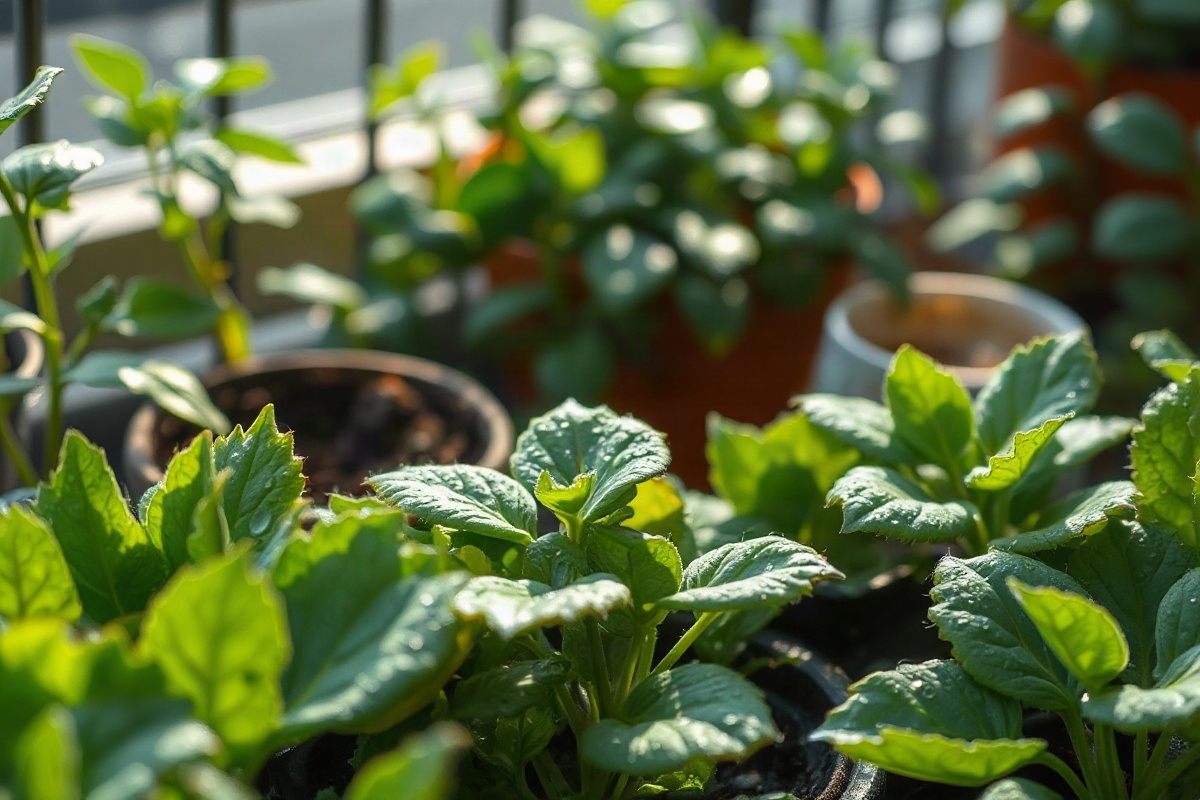
The short answer is yes, you absolutely can grow vegetables in shade on a balcony. You won’t be harvesting giant watermelons or sun-loving peppers, but a surprising number of leafy greens, roots, and herbs not only tolerate shade but often prefer it. The key is matching the right plants to the specific light conditions you have. This guide will give you a realistic list of crops, the exact containers they need, and the simple shifts in care that make shade gardening successful.
What “Shade” Really Means on a Balcony
Before you choose a single seed, you need to define your shade. “Shade” is not a single condition; it’s a spectrum. The terms you see on seed packets—”partial sun,” “partial shade,” “dappled shade”—can be confusing. On a balcony, it’s more practical to think in terms of hours of direct sunlight and the quality of light.
Direct sunlight means the sun’s rays are hitting the leaves directly, casting a sharp shadow. Dappled light, like the kind filtered through a pergola or a tree, is less intense but still valuable. Full shade means no direct sun at all, only indirect or reflected light. Most vegetable gardening in these conditions focuses on plants that are grown for their leaves, stems, or roots, not their fruits, which require more solar energy to develop. For a deeper dive into how your balcony’s orientation affects this, our guide on balcony sun exposure breaks it down by direction.
How to Measure Your Light Accurately
Don’t guess. Spend a clear, sunny day observing your balcony. Check it every hour from sunrise to sunset and note when direct sun hits the floor or railing. A north-facing balcony might only get one to two hours of morning or evening sun. An east-facing balcony gets gentle morning sun, while a west-facing one gets harsher afternoon heat. A simple method is to use a free app like Photone on your smartphone to measure light intensity (PPFD). Two to four hours of direct sun is considered partial shade and opens up a lot of options.
The Best Vegetables for Shady Balconies
These are the workhorses of the low-light garden. They prioritize leaf and root growth over flowering, making them perfectly suited for conditions with less than four hours of direct sun.
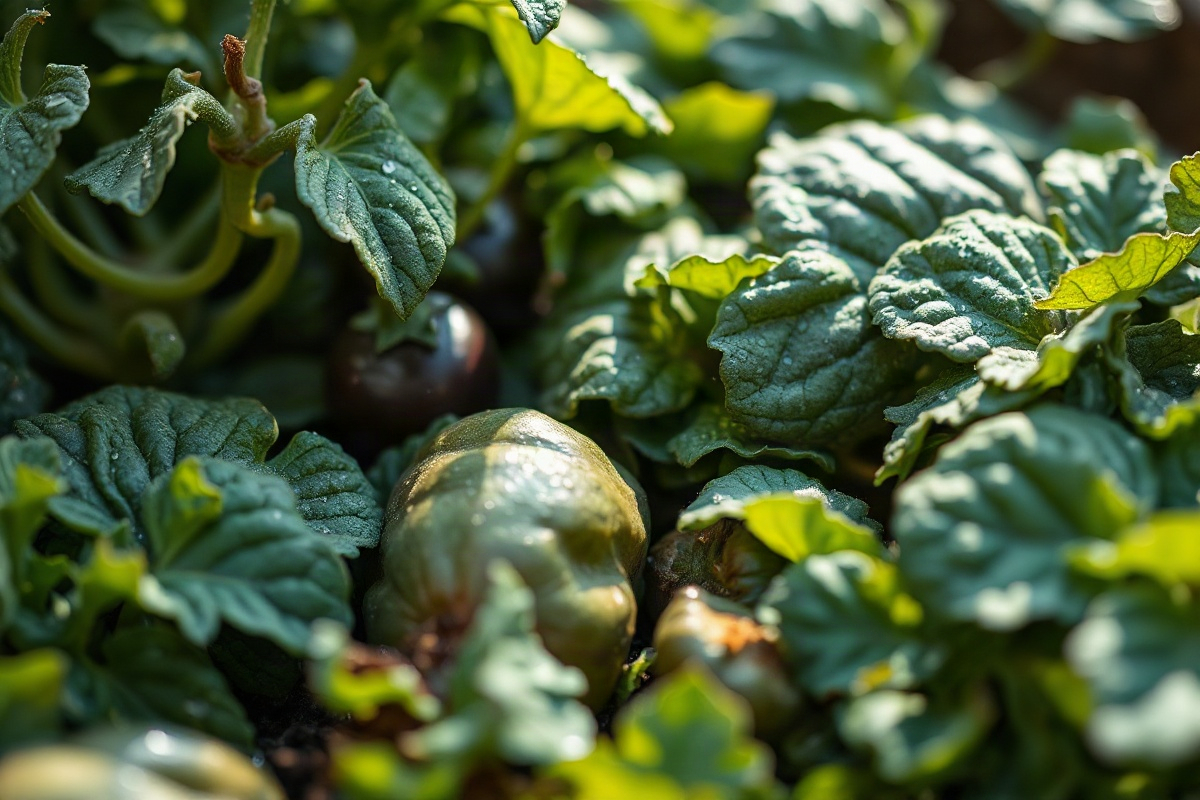
1. Leafy Greens: Lettuce, Spinach, Kale, and Swiss Chard
This is your starting point. Lettuce, in particular, is a shade superstar. In fact, too much sun can cause it to bolt (go to seed) prematurely and become bitter. You can grow a continuous supply from a few pots. For lettuce, loose-leaf varieties like ‘Black Seeded Simpson’ or ‘Oakleaf’ are faster and more forgiving than head-forming types. Spinach also thrives in cool, shady conditions. Plant it in early spring or fall. Kale and Swiss Chard are tougher and can handle a bit more variation. A 2-gallon pot is sufficient for a single kale or chard plant, while a 5-gallon window box can host three or four lettuce plants.
2. Root Vegetables: Radishes, Carrots, and Beets
While they grow more slowly in shade, many root crops are excellent choices because you eat the root, not a sun-dependent fruit. Radishes are the fastest, often ready in just 25-30 days. Smaller carrot varieties like ‘Parisian Market’ (a round carrot) or ‘Little Finger’ are ideal for containers and will produce well with about four hours of sun. Beets are a dual-purpose crop; you can harvest the tender greens for salads while waiting for the roots to swell. Use a container at least 12 inches deep for carrots and beets to allow the roots to develop properly.
3. The Brassica Family: Arugula, Bok Choy, and Mustard Greens
This family of vegetables is remarkably adaptable to shade. Arugula has a peppery punch and grows incredibly fast. Bok Choy (or Pak Choi) forms beautiful, compact heads and is less likely to bolt in the shade. Mustard greens come in many varieties, from mild to spicy. All of these can be grown in shallow containers (8-10 inches deep) and are perfect for succession planting—sowing a new batch every two weeks for a continuous harvest. They are the backbone of a shade-tolerant container garden.
Herbs That Don’t Demand Full Sun
You might think all herbs are sun-worshippers, but several key culinary herbs perform well with moderate light. Their growth will be slower and less prolific than in full sun, but the flavor will still be there.
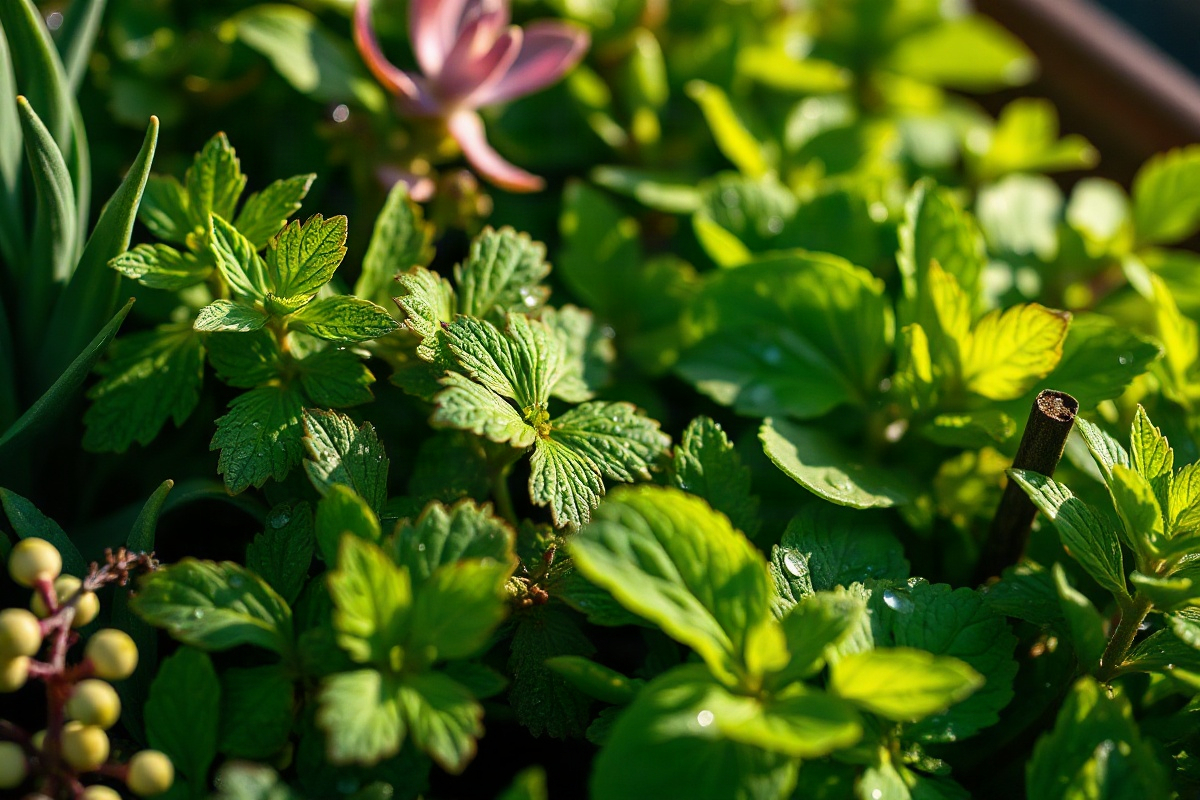
Mint is famously tolerant of shade, but it is also notoriously invasive. Always grow mint in its own container to prevent it from taking over. Chives and parsley are two of the best herbs for shady spots. Chives will still send up their lovely purple flowers, and parsley will produce ample foliage for garnishes and cooking. Cilantro is another good candidate because it bolts quickly in hot sun; shade helps keep it productive for longer. A 1-gallon pot is perfect for a single herb plant like mint or parsley.
Containers, Soil, and Water: The Shade Gardening Trifecta
Growing in shade isn’t just about plant selection. Your container and care routine need to adapt to the different environment. Less sun means cooler temperatures and slower evaporation, which affects watering and soil health.
Choosing the Right Container
Container size still matters. While plants may grow slower, their root systems need adequate space. Fabric pots, like the Smart Pots 5 Gallon, are excellent because they provide air pruning and prevent soil from staying waterlogged, a common risk in shady, damp conditions. Ensure every container has drainage holes. For railing planters, always use brackets rated to hold the weight of the soil when wet, which can be surprisingly heavy.
Potting Mix and Fertilizer
Do not use garden soil. A high-quality, well-draining potting mix is non-negotiable. We recommend a mix like FoxFarm Ocean Forest Potting Soil because it has a good balance of aeration and water retention. Since plants in shade grow slower, they need less fertilizer. A balanced, slow-release organic fertilizer applied at planting time is often sufficient for the entire season. Over-fertilizing in low light can lead to weak, spindly growth.
Watering Wisely in the Shade
This is the most common mistake. Shady soil stays moist much longer. You must let the top inch of soil dry out before watering again. Stick your finger in the soil to check. Overwatering is a fast track to root rot and fungal diseases. You will likely water your shady balcony garden half as often as you would a full-sun container garden. A moisture meter can be a helpful tool to take the guesswork out of watering.
What Will Struggle or Fail in Deep Shade
Being honest about failure builds trust. If your balcony gets less than two hours of direct sun, you need to manage your expectations. Fruiting vegetables require a tremendous amount of energy from the sun.
Tomatoes, peppers, eggplants, and cucumbers will not produce a meaningful harvest in deep shade. They might grow tall and leggy as they stretch for light, but they will fail to flower or set fruit. Squash, pumpkins, and corn are complete non-starters; they are space hogs that demand full, blazing sun. If you are determined to grow these, your only reliable option is to supplement with a small grow light to provide the necessary photons.
Making the Most of a North-Facing Balcony
A north-facing balcony presents the greatest challenge, often receiving only indirect light. But it’s not hopeless. It’s an ideal environment for the most shade-tolerant crops like lettuce, spinach, arugula, and mint. To maximize the light you do get, use reflective surfaces. Painting a nearby wall white or placing a large white board on the balcony can bounce available light back onto your plants.
Choose lightweight, mobile containers if possible. On days when you are home, you might be able to move a few select pots to a sunnier spot for a few hours. This is especially useful in spring and fall when the sun is lower in the sky. For a dedicated guide to this specific scenario, see our article on growing vegetables on a north-facing balcony.
Key takeaways
- You can successfully grow leafy greens (lettuce, kale, spinach), root crops (radishes, small carrots), and herbs (mint, chives, parsley) with 2-4 hours of sun.
- Shady conditions mean slower growth and less frequent watering; always check soil moisture to avoid root rot.
- Fruiting vegetables like tomatoes and peppers will not produce well in shade without supplemental lighting.
- Use well-draining pots and soil, and employ reflective surfaces to maximize limited light on north-facing balconies.
Frequently asked questions
Can I grow tomatoes on a shady balcony?
You can grow the plant, but you will not get a harvest. Tomato plants require a minimum of six hours of direct sun to produce flowers and fruit. In shade, they become tall, weak, and leafy without yielding any tomatoes. It’s best to focus your efforts on leafy greens instead.
How often should I water my shady balcony garden?
There is no set schedule. Water only when the top inch of soil feels dry to the touch. This could be every three to five days, compared to every one to two days for a garden in full sun. Overwatering is the biggest risk in a shady, slow-drying environment.
Are there any vegetables that grow in full shade (no direct sun)?
Very few edible plants will thrive with absolutely no direct sun. Your best bets are herbs like mint and chives, which may survive, but their growth will be extremely slow. For true full shade, you are better off growing microgreens indoors on a windowsill or with a grow light.
Do I need special fertilizer for a shade garden?
No, but you should use less fertilizer. Plants grow slower in shade and therefore require fewer nutrients. A standard, balanced organic fertilizer applied at half the recommended rate at the beginning of the season is usually adequate. Too much fertilizer can harm the plants in low-light conditions.
Growing in the shade is a different rhythm, but it’s a rewarding one. You can grow crisp, sweet lettuce and pungent herbs even when your balcony is mostly in shadow. Start with a planter of lettuce and a pot of chives. Success with these will give you the confidence to expand. For more ideas and detailed guides, explore all our articles in the Sun and Shade category.
Grow Something Good
Seasonal how-tos and sustainable gardening you can actually use.