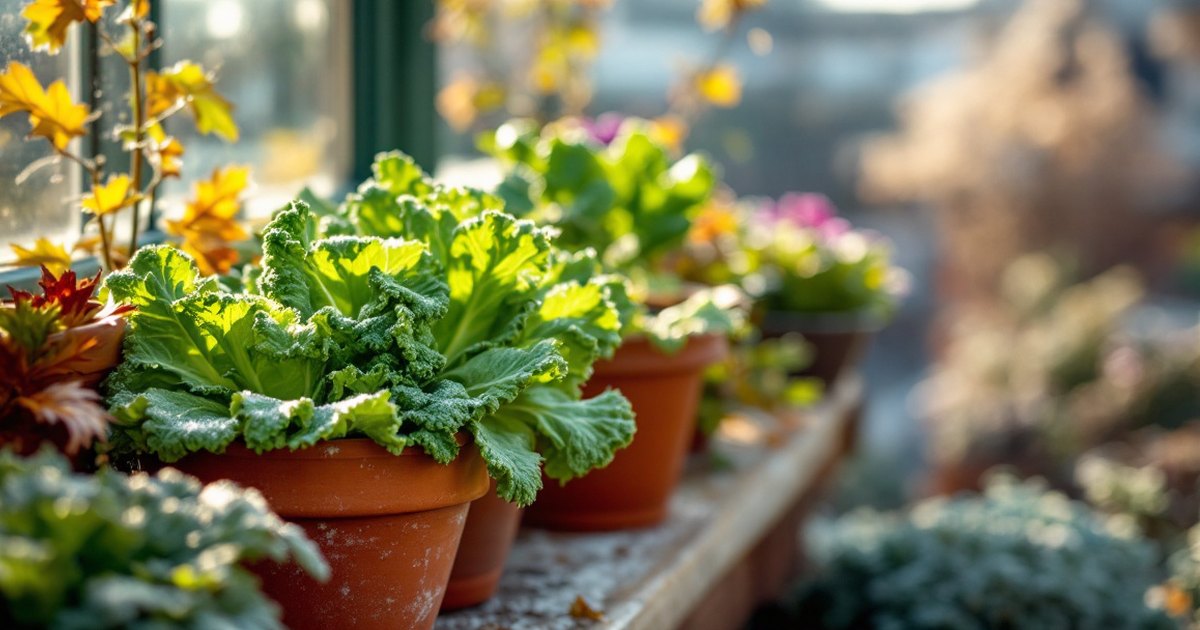
You spent the summer tending to your balcony peppers and herbs, and now the first frost warning is on the phone. Do you really have to let them die, or can you save them for next year? The good news is, you have options. Overwintering peppers and herbs indoors from the balcony is a smart way to get a head start on next season’s harvest and protect your perennial plants. It requires a bit of preparation, but the payoff is healthy, mature plants ready to explode with growth when spring returns, saving you money and months of waiting for seedlings to mature.
What Does Overwintering Actually Mean?
In gardening terms, overwintering simply means protecting plants from the cold so they survive through the winter. For balcony gardeners, this usually means moving cold-sensitive container plants indoors before the first hard frost. It’s not about getting a continuous, full harvest through the winter (though some herbs will oblige). The primary goal is preservation. You are putting the plant into a state of slow growth or semi-dormancy, allowing it to conserve energy until the longer, warmer days of spring stimulate vigorous growth again.
This is especially valuable for peppers, which are tender perennials. A Jalapeño or Habanero plant that is two or three years old will often produce a much larger and earlier harvest than a first-year seedling. For perennial herbs like rosemary, thyme, and oregano, overwintering is simply part of their natural lifecycle. Many gardeners mistakenly treat them as annuals, but with a little care, they can thrive for years. Overwintering is a core part of a year-round balcony gardening strategy, bridging the gap between seasons.
The process differs significantly from simply bringing a houseplant inside. Your balcony plants are acclimated to full sun, wind, and natural rainfall. Moving them abruptly into a dry, low-light indoor environment is a shock. Successful overwintering is about managing that transition carefully and providing the minimum conditions the plant needs to survive, not thrive, during the coldest months.
Which Plants Are Good Candidates?
Not every plant on your balcony is worth the effort. Focus on high-value perennials and tender plants that take a long time to mature from seed.
Peppers (Capsicum spp.): All pepper varieties, from sweet bell peppers to fiery chilies, are excellent candidates. They are naturally perennial in tropical climates. A well-overwintered pepper plant will fruit weeks earlier than a spring-planted one. Compact varieties like ‘Shishito’ or ‘Thai Hot’ are easier to manage indoors than large bell pepper plants.
Woody Herbs: Rosemary, thyme, oregano, sage, and lavender are perennial shrubs. They are built to last for years. Bay laurel trees are also perfect for overwintering in a large container. These herbs will often continue to provide small harvests throughout the winter.
Tender Perennial Herbs: Mint and lemon balm can be overwintered, though they often die back and regrow from the roots. It’s often easier to take cuttings in the fall as a backup.
Plants to Avoid Overwintering: Basil is an annual. It will not survive long-term, even indoors, as day length shortens. It’s better to succession plant basil or focus on preserving the leaves. Parsley is a biennial but rarely performs well through an indoor winter; it’s best treated as a cool-season annual on the balcony, as outlined in our guide to fall container gardening.
When and How to Bring Plants Inside
Timing is critical. Bring your plants in too early, and you might introduce pests to your home and deprive the plant of beneficial outdoor conditions. Bring them in too late, and a single night of frost can kill them.
The rule of thumb is to move plants indoors before nighttime temperatures consistently dip below 45°F (7°C). Peppers and most herbs will suffer chilling injury below this temperature, even if there’s no frost. Don’t wait for the official first frost date; that’s often too late for these warm-weather lovers. Check your local weather forecast diligently. This transition typically coincides with the end of the main harvest season, making it a natural next step in your seasonal gardening rhythm.
The Step-by-Step Moving Day Process
Don’t just carry the pots inside. A proper transition minimizes shock and prevents pest infestations.
1. Inspection and Pruning: First, give each plant a thorough inspection. Look under leaves and along stems for signs of pests like aphids, spider mites, or whiteflies. Prune away any dead, diseased, or overly leggy growth. For peppers, a light pruning to remove any remaining fruit and flowers helps the plant focus on root survival. For woody herbs, a light shaping is sufficient.
2. Cleaning the Pot and Soil Surface: Wipe down the outside of the pot with a damp cloth to remove dirt and potential hitchhikers. Gently remove any fallen leaves or debris from the soil surface, as this can harbor mold and pests.
3. Pest Treatment (Optional but Recommended): As a preventative measure, many gardeners treat plants before bringing them in. A simple and effective method is to give the plant a gentle shower with lukewarm water to dislodge pests. For a stronger approach, spray the plant (especially the undersides of leaves) with an insecticidal soap solution, following the product label instructions. A product like Safer Brand Insect Killing Soap is a reliable option.
4. Acclimation (Hardening Off, In Reverse): If possible, acclimate the plants over a week. Bring them into a shaded, sheltered spot like a garage or porch for a few hours each day, gradually increasing the time indoors. This helps them adjust to lower light levels.
Creating the Ideal Indoor Environment
Your home is not a greenhouse. The two biggest challenges your plants will face indoors are insufficient light and dry air.
Light: The Non-Negotiable
A south-facing window is the absolute minimum for overwintering peppers and herbs. An east or west window might sustain hardy herbs like rosemary, but peppers will likely become leggy and weak. The short, gray days of winter provide very low light intensity.
For guaranteed success, especially with peppers, you need a grow light. A simple, affordable Barrina LED Grow Light (like the 2-foot, T5 model) can make all the difference. Position the light 6-12 inches above the plants and run it for 12-14 hours per day using a simple timer. This provides the photosynthetic energy the plant needs to stay healthy, not just alive. Without adequate light, the plant will drop leaves and become susceptible to disease.
Temperature and Humidity
Most homes are kept between 65-75°F (18-24°C), which is acceptable, but cooler is actually better for overwintering. Aim for a spot that stays between 60-68°F (15-20°C). A slightly cooler temperature slows the plant’s metabolism, reducing its need for water and light and mimicking its natural dormant period.
Indoor air, especially with central heating, is extremely dry. Most herbs and peppers prefer humidity around 40-50%. Low humidity stresses plants and encourages spider mites. Combat this by grouping plants together, placing pots on a pebble tray filled with water (ensure the pot sits on the pebbles, not in the water), or using a small humidifier nearby.
Watering and Fertilizing Dormant Plants
This is the most common cause of overwintering failure: overwatering. Since the plants are growing very slowly, their water needs plummet. Water deeply, but only when the soil is dry an inch or two below the surface. For a 5-gallon pepper pot, this might mean watering only once every 10-14 days. Herbs in smaller pots may need water weekly. The goal is to keep the roots from drying out completely, not to keep the soil moist.
Stop fertilizing completely. Fertilizer will encourage tender new growth that is weak and vulnerable in low-light conditions. Resume feeding with a diluted, balanced fertilizer only when you see strong new growth in the spring, as you prepare to transition them back outside.
Troubleshooting Common Overwintering Problems
Even with the best care, you may encounter issues. Here’s how to handle them.
Pest Infestations (Indoors)
Spider mites and aphids are the most common indoor pests. They thrive in warm, dry conditions. Isolate any infested plant immediately. For small infestations, wipe leaves with a damp cloth or spray them off in the shower. For persistent problems, insecticidal soap or horticultural oil (like Neem Oil) is effective. Apply in the evening and ensure you cover the undersides of leaves. Repeat applications every 5-7 days may be necessary.
Leaf Drop
It is normal for plants to drop some leaves after the environmental shock of moving indoors. However, significant leaf drop is usually a sign of too little light, overwatering, or both. reassess your plant’s location and watering habits. As long as the stems are still green and pliable, the plant is still alive.
Leggy, Weak Growth
If your plant is producing pale, stretched-out new growth, it is desperately searching for more light. This etiolated growth is unsustainable. Move the plant to a brighter window or, ideally, provide supplemental grow lights.
Mold or Fungus Gnats
White mold on the soil surface or tiny flies hovering around the pot are signs of overwatering and poor air circulation. Scrape off the mold and let the soil dry out more thoroughly between waterings. For fungus gnats, use yellow sticky traps and let the top layer of soil dry completely. A product like Mosquito Bits, mixed into the watering can, can kill the larvae in the soil.
The Spring Awakening: Transitioning Back Outside
When spring arrives and daytime temperatures are consistently above 50°F (10°C), you can start preparing your plants to go back to the balcony. This process is just as important as bringing them in.
Do not move them directly into full sun. The leaves, which have adapted to low indoor light, will scorch. Begin by placing them in a fully shaded, sheltered spot outdoors for a few hours a day. Over 7-10 days, gradually increase their exposure to sunlight and wind. This process, known as hardening off, re-acclimates the plant to the harsh realities of outdoor life.
Once they are hardened off, you can repot them if necessary. Gently tip the plant out of its pot. If the roots are tightly wound in a circle (root-bound), it’s time for a slightly larger container with fresh potting mix. This is also the time to start a regular fertilizing schedule again. Your overwintered plants will have a massive head start, allowing you to focus on other aspects of your garden, like planning for succession planting for continuous harvests.
Watch as your pepper plant, which might have looked a bit sad in February, suddenly bursts with new growth and flowers much earlier than any pepper plant grown from a spring seedling. This is the true reward for your overwintering efforts.
Key takeaways
- Overwinter peppers and woody herbs like rosemary and thyme indoors before temperatures drop below 45°F (7°C) to save them for next season.
- Supplemental light from a grow light is essential for keeping peppers healthy indoors; a south-facing window is the bare minimum for herbs.
- Water sparingly (only when the top few inches of soil are dry) and do not fertilize at all during the winter dormancy period.
- Always inspect and treat for pests before bringing plants inside, and be prepared to troubleshoot spider mites or aphids with insecticidal soap.
- Harden off plants gradually over 7-10 days in spring before leaving them on the balcony full-time to prevent sunscald.
Frequently asked questions
Can I overwinter peppers if I only have a north-facing balcony and low-light indoors?
It will be very difficult. Peppers require intense light to survive indoors. Without a strong south-facing window or, more reliably, a dedicated grow light, the plant will likely become leggy, drop leaves, and die over the winter. Herbs like mint might survive in a north-facing window, but growth will be minimal.
My rosemary plant is huge. Do I need to bring the whole thing inside?
You have two options. You can carefully prune the rosemary back by up to one-third of its size to make it more manageable for indoors. Alternatively, you can take several 4-6 inch cuttings, root them in water, and overwinter the much smaller new plants. This is a great space-saving technique.
How do I know if my overwintered pepper plant is still alive?
Scratch the bark on the main stem lightly with your fingernail. If you see green tissue underneath, the plant is still alive. Even if it has dropped all its leaves, it may still sprout new growth from the nodes (leaf joints) in the spring when light and temperatures increase.
Is it worth overwintering chili peppers compared to just buying new plants?
Yes, for several reasons. Overwintered chili plants produce a harvest weeks or even months earlier than new plants. They also develop woody, established root systems that can support a much larger yield. If you grow unique or rare varieties that aren’t readily available as seedlings, overwintering is the only way to keep them going year after year.
Overwintering is a rewarding skill that transforms your balcony garden from a seasonal hobby into a continuous cycle. For more strategies to make the most of every season in a small space, explore all our articles in the Seasons category.