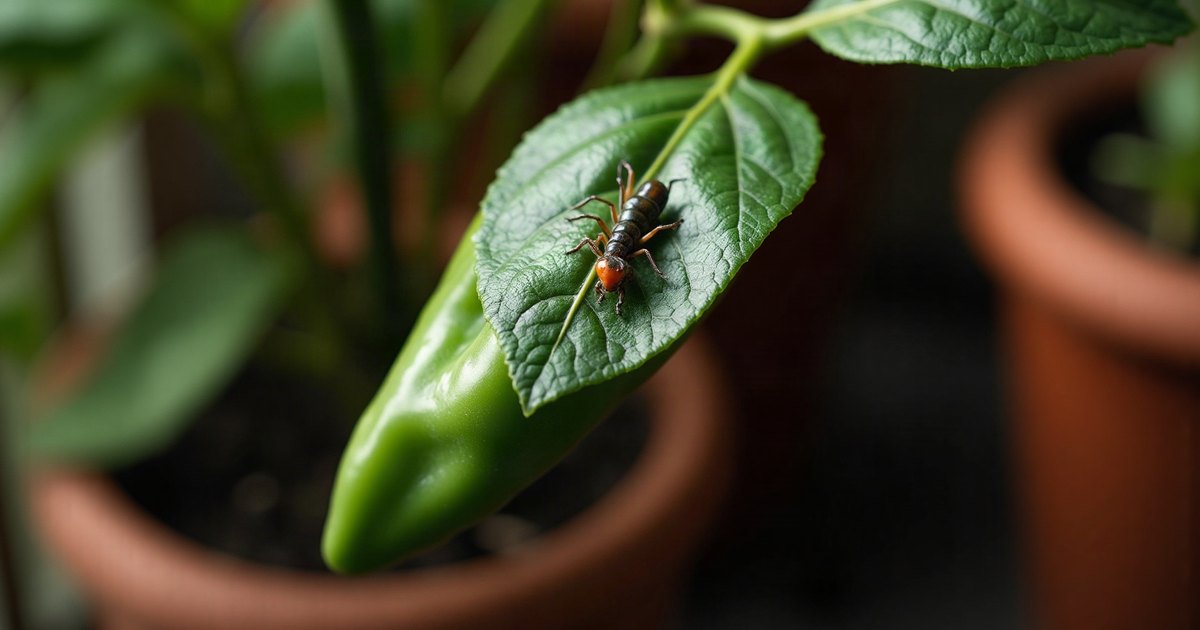
You come home to drooping tomato leaves and bone-dry soil, even though you watered yesterday. A heatwave turns your balcony garden from a source of pride into a daily rescue mission. The short answer is this: you can keep your container vegetables alive by shifting from a daily watering routine to a twice-daily check, providing consistent afternoon shade, and cooling the roots and leaves. It’s about working with the extreme conditions, not fighting them. This guide gives you the specific, actionable steps to do that, from choosing the right pots to recognizing the difference between heat stress and a pest infestation.
Why Container Plants Suffer More in Heat
Your vegetables in the ground have a massive reservoir of cool, moist soil to draw from. Your containers do not. On a 95°F (35°C) day, a black plastic pot sitting on a sun-baked concrete balcony can have its root zone temperature exceed 110°F (43°C). At that point, roots stop functioning effectively. They can’t take up water, even if the soil is wet, leading to the paradox of a wilted plant in damp potting mix. The limited soil volume also means nutrients are quickly used up or flushed out by frequent watering, leaving plants weak and more susceptible to stress.
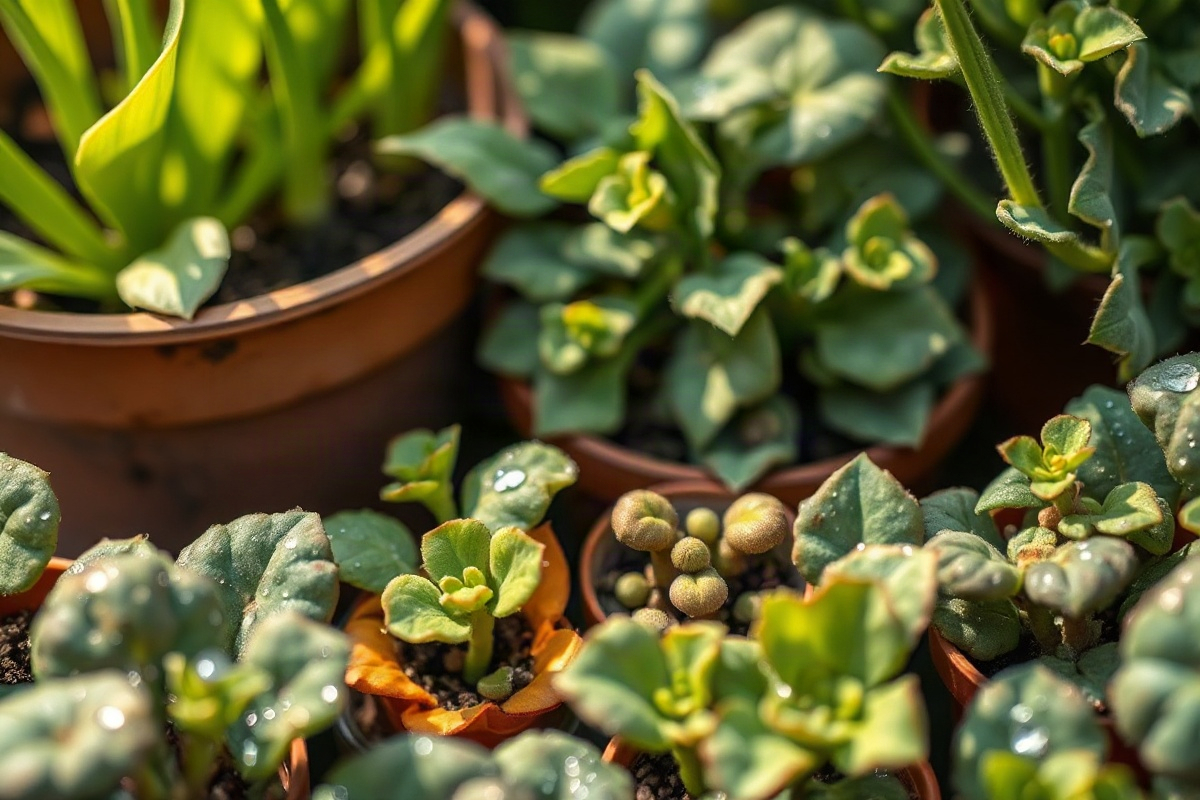
The microclimate on a balcony is often more extreme than the general weather report. South and west-facing balconies become radiant ovens, with heat reflecting off glass, railings, and walls. This reflected heat increases transpiration—the plant’s version of sweating—dramatically. A windy balcony compounds the problem by drying out foliage and soil even faster. Your plants aren’t just experiencing heat; they’re experiencing a combined assault of high temperature, low humidity, and intense light that ground plants are largely buffered from.
Finally, the plants themselves shift into survival mode. They will abort flowers (so your tomatoes stop setting fruit), bolt (like lettuce and spinach going to seed), or curl their leaves to reduce surface area. These are not signs of certain death, but distress signals. Your job is to decode them and change the environment. Recognizing this is the first step to moving from reactive panic to a calm, effective heatwave protocol.
The Twice-Daily Watering Ritual (And How to Do It Right)
During a heatwave, one daily watering is almost never enough. The goal is consistent soil moisture, not a cycle of flood and drought. This means watering deeply in the early morning, and then performing a “check-in” watering in the late afternoon or early evening. The morning watering recharges the plant for the day ahead. The evening check-in addresses any deficit and cools the roots before nightfall, without leaving foliage wet overnight (which can encourage disease).
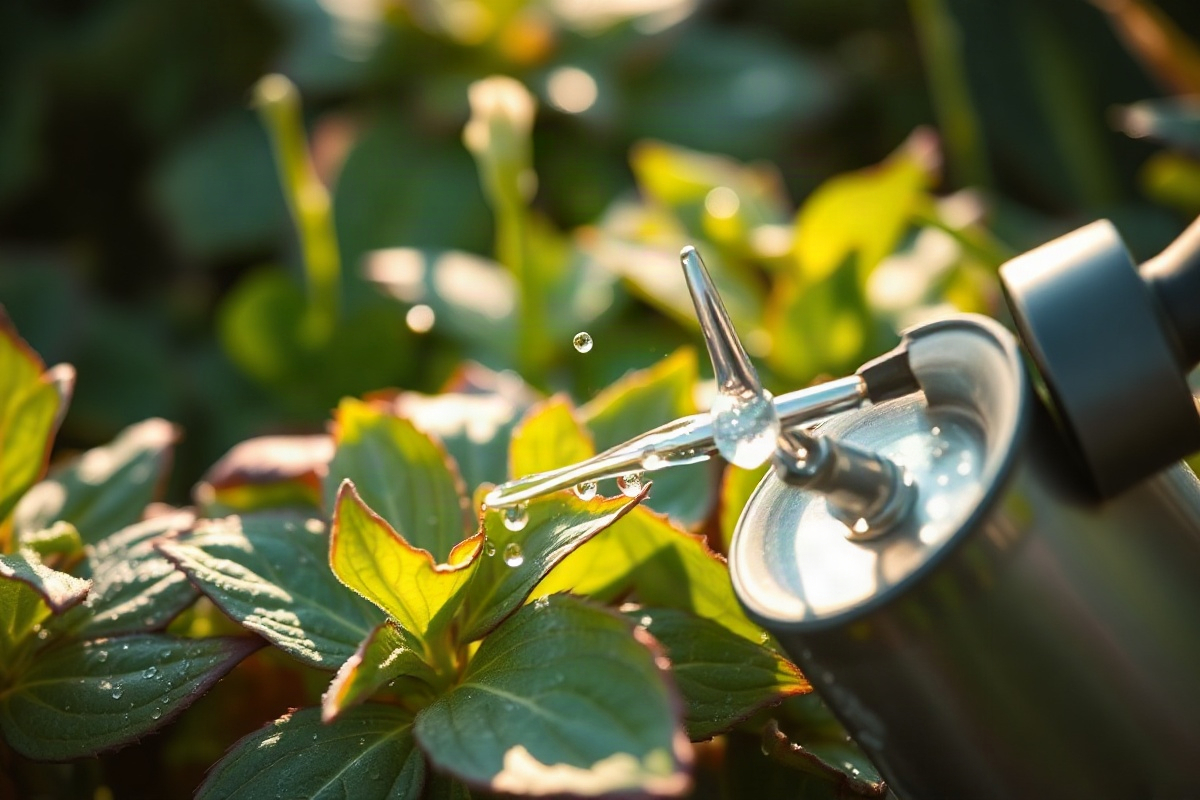
How you water is as important as when. A quick sprinkle that only wets the surface is worse than useless—it encourages roots to stay shallow where they fry. You must water slowly until you see a steady stream run out of the drainage holes. This ensures the entire root ball is saturated. For a large tomato in a 10-gallon pot, this can take several minutes. Consider using a watering wand or a drip irrigation system on a timer. A simple Melnor water timer attached to your faucet can be set for two short cycles, one at 6 AM and one at 5 PM, taking the guesswork out and ensuring you never miss a session.
Check soil moisture before you water. Push your finger into the soil up to the second knuckle. If it feels cool and moist, you can delay or skip the afternoon session. For smaller pots (under 3 gallons), you may need to water both times, every day. Terracotta pots dry out fastest, followed by fabric grow bags, then plastic and glazed ceramic. Be prepared to adjust your schedule based on the pot material and size. A soil moisture meter can help take the guesswork out, especially for deep containers.
Self-Watering Pots: A Heatwave Advantage
Self-watering containers, or sub-irrigated planters (SIPs), are a game-changer in extreme heat. They have a reservoir at the bottom that holds water, which the soil wicks up as needed. This provides a buffer against drying out. In a heatwave, you keep the reservoir full. The City Pickers Self Watering Planter is a popular balcony-sized option. The key is to still check the soil surface and top-water occasionally to flush salts and ensure the top roots don’t dry out, but the plant’s core root zone stays consistently hydrated.
Creating Instant and Effective Shade
Your most powerful tool is shade during the hottest part of the day, typically from 1 PM to 5 PM. The goal is to reduce light intensity and leaf temperature, not plunge plants into full darkness. A 30-50% reduction in direct sun can lower leaf temperature by 10-15°F. You are not trying to grow the plant in shade; you are giving it a break from the scorching afternoon sun that causes photoinhibition (where the photosynthesis system shuts down).
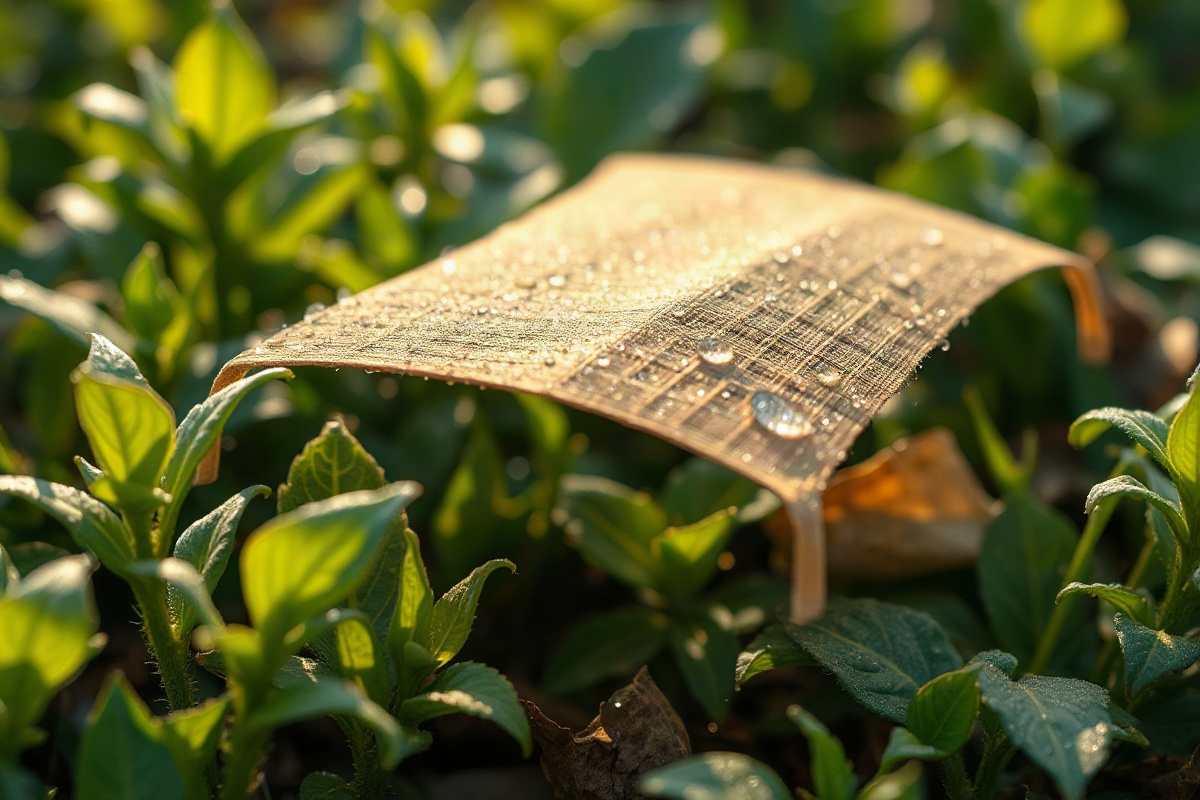
Use physical barriers that you can put up and take down. A bamboo roller shade, a piece of shade cloth (30-50% density), or even a white bedsheet clipped to your balcony railing or a freestanding frame works perfectly. Avoid dark-colored tarps, as they absorb and radiate heat. The shade should be on the south or west side of the plants, blocking the sun’s path. For plants in smaller pots, simply moving them to the east side of the balcony or against a north wall during the peak of summer can be enough.
You can also use taller, heat-tolerant plants to shade more sensitive ones. A trellised Malabar spinach or a large okra plant can cast a protective shadow over pots of lettuce or radishes. This is a form of companion planting in containers focused on microclimate control, not just pest management. Grouping pots together also creates a slightly more humid microclimate as they collectively transpire, which can help reduce water loss.
Cooling the Roots: Pot Choice and Setup
If the roots are cooking, the plant is dying. Your first line of defense is pot color. Always choose light-colored pots—white, cream, or light gray—over black, dark green, or terracotta. A white plastic pot reflects heat, while a black one absorbs it. If you only have dark pots, wrap them in aluminum foil, a light-colored fabric sleeve, or place them inside a larger, light-colored cache pot. This single act can lower root zone temperature significantly.
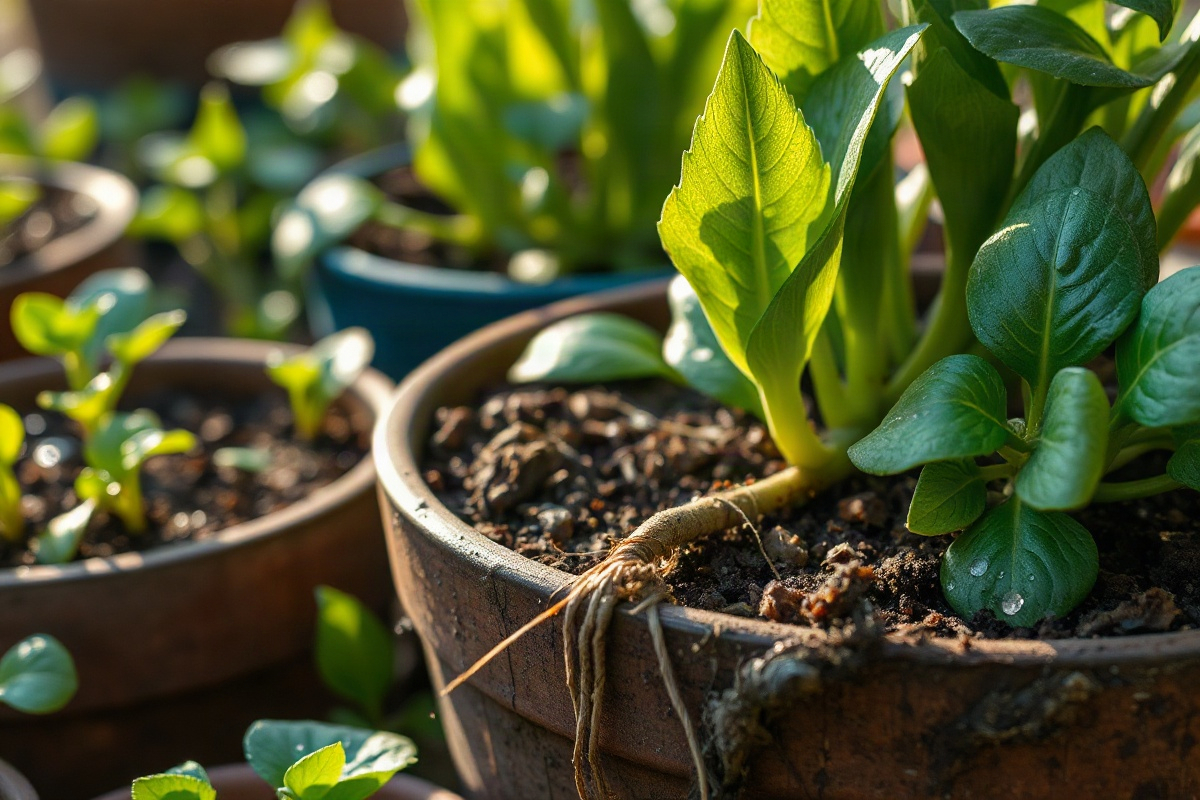
Get the pots off the hot surface. Concrete and decking can reach skin-burning temperatures. Use “pot feet,” bricks, or pieces of wood to elevate every container at least half an inch. This allows air to circulate underneath, prevents the drainage holes from sealing against a hot surface, and stops conductive heat transfer. For an easy solution, a set of plastic pot risers is inexpensive and effective.
Double-potting is a highly effective technique for small to medium containers. Place your plastic nursery pot inside a larger ceramic or decorative pot. The air gap between the two acts as insulation. You can even fill this gap with sphagnum moss or crumpled newspaper for extra insulation. For fabric grow bags, which are excellent for air-pruning roots but can dry out quickly, consider placing them in a shallow tray with a little water during the hottest afternoons to create a cooling evaporative effect from below.
Mulching and Soil Management for Hot Weather
Bare soil in a container bakes and loses moisture to evaporation in hours. A layer of mulch is non-negotiable in a heatwave. It insulates the soil, keeping it cooler and moist for longer. Apply a 1-2 inch layer on top of the soil after your morning watering. Good balcony mulches include straw, shredded bark, coconut coir, or even a layer of untreated grass clippings. For a clean, aesthetic look, bagged mini pine bark nuggets work well and last the whole season.
Your potting mix itself matters. Cheap, peat-heavy mixes can become hydrophobic—they repel water—when they dry out completely. During a heatwave, you may need to “re-wet” them by submerging the entire pot in a bucket of water for 15 minutes until bubbles stop rising. To prevent this, use a quality potting mix that includes coconut coir and perlite for water retention and aeration. You can also mix in water-retaining polymers, but use them sparingly; a little goes a long way.
Frequent watering flushes nutrients from the soil. To keep plants strong enough to withstand heat stress, you need to feed them lightly and regularly. Switch from a heavy monthly feed to a weekly, half-strength dose of a balanced, water-soluble fertilizer like Jack’s Classic All Purpose 20-20-20. Or, use a liquid organic option like fish emulsion. Strong, healthy plants with adequate potassium (which helps with water regulation) are far more heat-resilient.
Recognizing and Treating Heat Stress vs. Pests
It’s easy to mistake heat stress for disease or pest damage. Wilting is the most obvious sign, but look for leaf scorch (brown, crispy edges on leaves), sunscald (pale, bleached, or blistered patches on fruits like peppers and tomatoes), and blossom drop. If your pepper plant drops all its flowers, it’s telling you it’s too hot to set fruit. This is a temporary survival mechanism; it will often bloom again when temperatures moderate.
Yellowing leaves can be confusing. Yellow leaves have many causes, but in a heatwave, the pattern is key. Overall yellowing, especially on the lower leaves, combined with wilting, often points to nutrient deficiency from over-watering or root damage from heat. If only the leaves facing the sun are yellowing or bleaching, it’s likely sunscald. Address the environmental cause (shade, consistent water) before reaching for a fertilizer or fungicide.
Heat-stressed plants are magnets for pests. Spider mites thrive in hot, dry conditions. You’ll see fine webbing and stippled, dusty-looking leaves. Aphids also proliferate. If you see clusters of small insects, don’t just blame the heat. You need a two-pronged approach: cool and stabilize the plant, then treat the pests. A strong blast of water from a spray bottle can dislodge mites and aphids. For persistent issues, our guide on balcony garden pests details organic controls. Remember, a plant recovering from heat stress is vulnerable; pest control must be gentle.
What to Do When a Plant is Severely Wilted
If you find a plant completely collapsed, with crispy leaves and dry soil, act quickly but carefully. First, move it to full, deep shade immediately. Do not water it yet if the soil is extremely hot to the touch. Wait 30 minutes for the pot to cool slightly. Then, water deeply and slowly until water runs out. You may need to water, wait 10 minutes, and water again as the dried soil absorbs moisture.
Do not fertilize. Do not prune off the dead-looking parts immediately. The plant needs all its remaining resources to regrow roots. After watering, you can mist the foliage lightly to increase humidity around it. It may take 12-48 hours to see if it recovers. Some leaves will be permanently damaged. Once you see new growth, you can gently prune away the completely dead material. This is a rescue operation for the root system, not the foliage.
For plants that are severely heat-damaged but alive, consider a radical “cut-back.” If it’s a perennial herb like mint or a tough plant like Malabar spinach, cutting the stems back by half can reduce the water demand the compromised roots must meet, giving it a chance to regrow bushier and healthier when the weather breaks. This is a last resort, but it often works.
Key Takeaways
- Water deeply twice a day (morning and late afternoon) and use light-colored, elevated pots to protect roots from cooking.
- Provide afternoon shade (30-50% shade cloth or a simple sheet) to lower leaf temperature and prevent sunscald.
- Mulch your containers and consider self-watering pots to maintain consistent soil moisture and reduce daily stress.
- Learn to distinguish heat stress (wilting, blossom drop, sunscald) from pest infestations, which often follow heatwaves.
- Group pots, use companion planting for shade, and never let small pots sit directly on hot balcony surfaces.
Frequently Asked Questions
Should I mist my plants’ leaves during a heatwave?
Light misting in the morning can help increase humidity, but avoid wetting foliage in the midday sun, as water droplets can act as tiny magnifying glasses and burn leaves. Evening misting can invite fungal diseases. The best use of water is in the soil, where the roots can use it. Focus on cooling the roots and providing shade rather than frequent foliar misting.
My tomato flowers are falling off. Is the plant dying?
No, this is a common heat stress response called blossom drop. Tomatoes often stop setting fruit when night temperatures stay above 75°F (24°C) or day temperatures are consistently above 90°F (32°C). The plant is conserving energy. Keep it alive with shade and water; it will usually start setting fruit again when temperatures moderate, especially with varieties like ‘Solar Fire’ or ‘Heatmaster II’ bred for heat tolerance.
Can I use ice cubes to water my plants in a heatwave?
It’s not recommended. Placing ice directly on the soil can shock the roots with a sudden, localized cold spot. It’s better to use cool water from the tap. If your tap water is very warm from sitting in pipes, let it run for a minute or fill your watering can and let it sit in the shade for a short while to approach air temperature before using it.
Is it better to water in the morning or evening during a heatwave?
Do both, with different goals. The morning watering is essential to prepare the plant for the day. The evening “check-in” watering addresses any moisture deficit and cools the roots. Avoid watering so late that foliage is still wet at nightfall, as this promotes disease. A deep morning soak is the non-negotiable foundation; the evening watering is an adjustment based on that day’s conditions.
Heatwaves test a balcony gardener, but they also teach you the most about what your plants truly need. By focusing on root cooling, consistent moisture, and intelligent shade, you turn a survival situation into a successful season. For more solutions to common balcony challenges, from pests to wind, explore all our guides in the Problems and Fixes category.
Grow Something Good
Seasonal how-tos and sustainable gardening you can actually use.