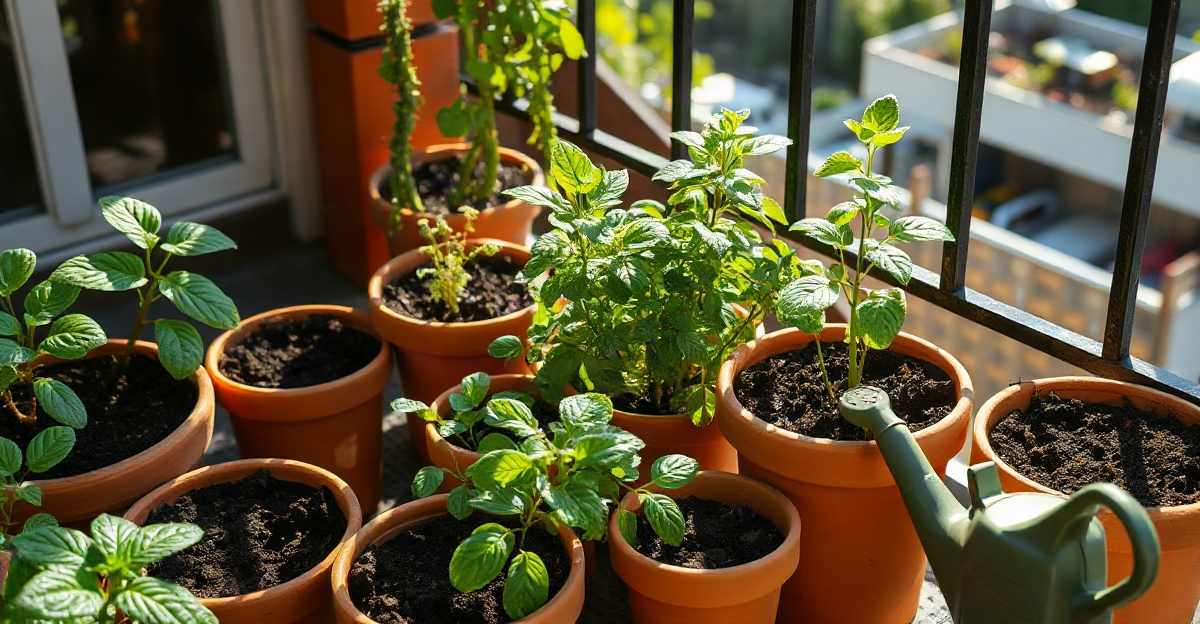
Forget everything you’ve heard about “good potting soil.” The truth is, that bagged mix you bought is probably starving your balcony vegetables. It’s designed to hold moisture and anchor roots, not feed a hungry tomato plant for an entire season. Most balcony gardeners fail at feeding, not watering. They watch their plants yellow, fruit poorly, and give up, blaming their “brown thumb.” The real culprit is an empty soil bank account. This guide isn’t about vague tips; it’s a concrete blueprint for building living soil in a pot and keeping it fed with minimal mess and cost. We’ll cover the exact ratios for a DIY mix that won’t collapse, decode the confusing world of nutrient timing, and give you three fertilizer recipes you can make tonight from your kitchen scraps.
8 min read
In This Article
- The Container Soil Conundrum: Why Garden Soil is a Death Sentence
- The Ultimate DIY Balcony Potting Mix (Cheap Version First)
- Sun, Pots, and Hunger: Your Quick-Reference Feeding Table
- Organic vs. Synthetic: It’s About Timing, Not Purity
- The No-Mess, Low-Odor Balcony Fertilizer Hacks
- Your Printable Balcony Feeding Calendar
- Diagnosing Dinner Plate Problems: Yellow Leaves, No Fruit, and Collapse
- Harvesting the Rewards: How Feeding Affects Flavor
- Key Takeaways: Your Soil Blueprint Cheat Sheet
- Frequently Asked Questions
Key Takeaways
- The Container Soil Conundrum: Why Garden Soil is a Death Sentence
- The Ultimate DIY Balcony Potting Mix (Cheap Version First)
- Sun, Pots, and Hunger: Your Quick-Reference Feeding Table
- Organic vs. Synthetic: It’s About Timing, Not Purity
The Container Soil Conundrum: Why Garden Soil is a Death Sentence
Your first instinct might be to dig up some dirt from a nearby park or use leftover garden soil. This is the single fastest way to kill a container plant. Garden soil is dense, compacts into a brick in a pot, and suffocates roots. It also often contains weed seeds, pests, and pathogens. Container soil needs to do three things exceptionally well: drain quickly, retain some moisture and nutrients, and stay light and fluffy to allow roots to breathe. According to the University of Maryland Extension, a good container mix is soilless, typically based on peat moss or coconut coir, perlite, and compost. The structure is non-negotiable. Think of it as building a tiny, self-contained ecosystem that has to function perfectly in a confined space with no help from the earth below.
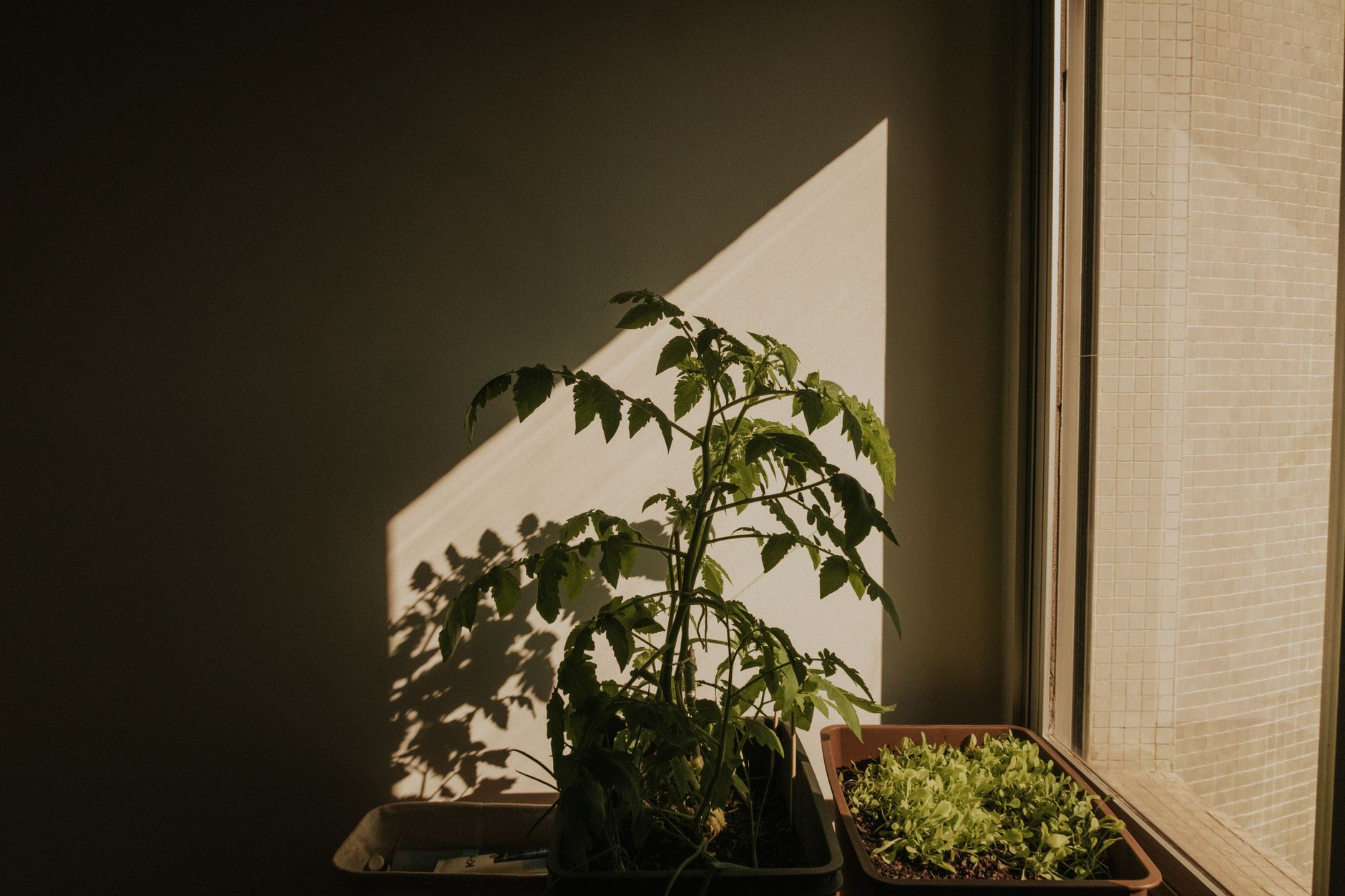
Think of it as building a tiny, self-contained ecosystem that has to function perfectly in a confined space with no help from the earth below.
The Ultimate DIY Balcony Potting Mix (Cheap Version First)
You can buy excellent pre-mixed potting soils like FoxFarm Ocean Forest or Espoma Organic Potting Mix, but they get expensive when you’re filling multiple large containers. The cheap and effective alternative is to make your own. A standard, reliable recipe for a 5-gallon bucket’s worth is the 1-1-1 ratio: one part compost, one part coconut coir (a sustainable alternative to peat moss), and one part perlite or coarse vermiculite. The compost provides nutrients and microbial life, the coir retains water and air, and the perlite creates drainage pockets so roots never sit in water. For an even lighter mix that’s perfect for larger pots where weight is a concern (remember your balcony’s weight limit!), replace half the compost with a high-quality, screened compost like Worm Gold Plus. In my own setup, using pure compost made my 20-gallon fabric pots too heavy and water-retentive; switching to a ½ compost, 1 coir, 1 perlite blend solved my root rot issues with cucumbers.
The Premium “Living Soil” Recipe for Heavy Feeders
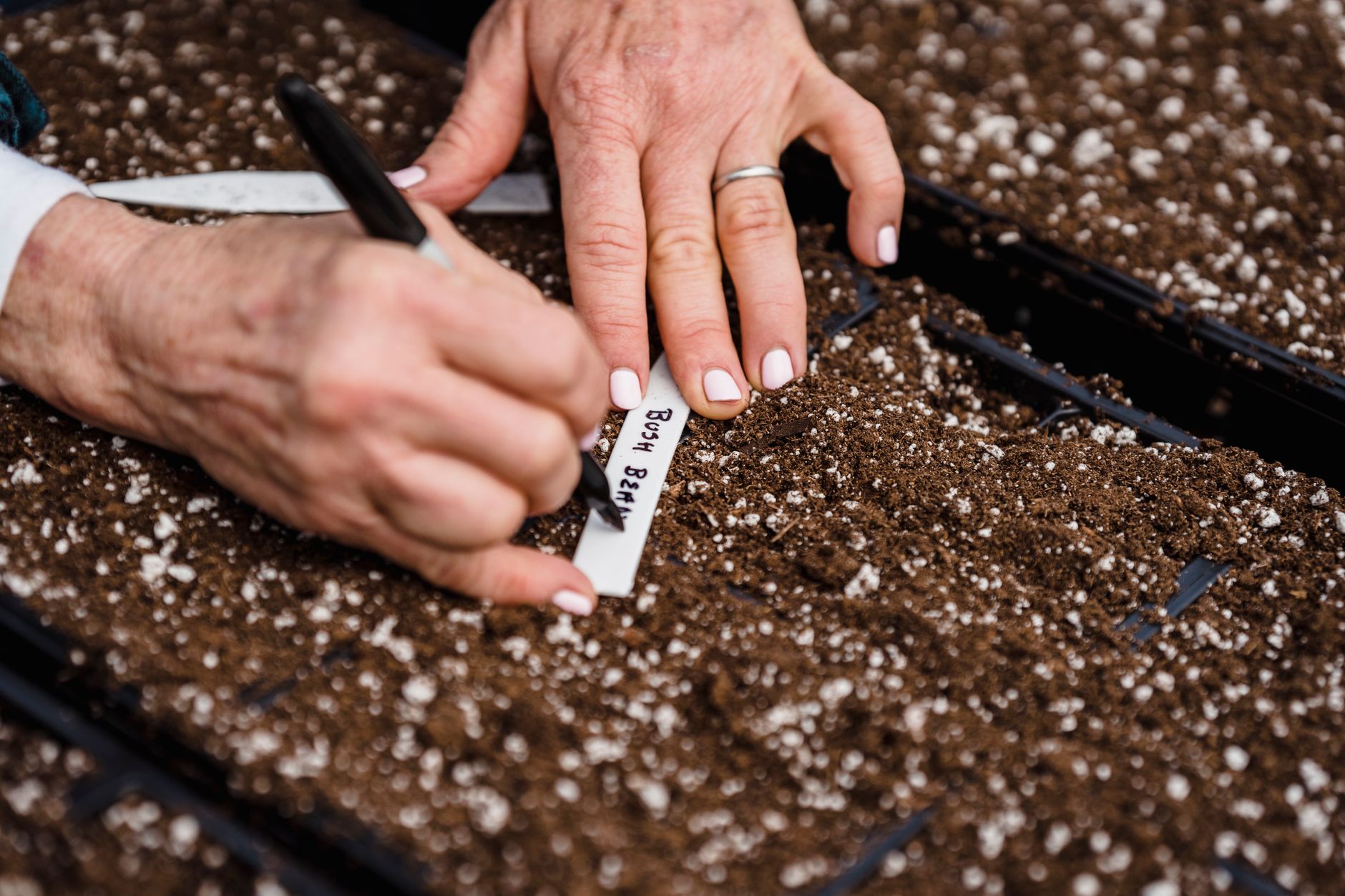
If you’re growing tomatoes, peppers, or eggplants—plants that are basically teenagers when it comes to appetite—consider investing in a more nutrient-dense “living soil” base. This isn’t just food for the plant; it’s food for the soil food web of bacteria and fungi that then feed your plant. A more advanced mix might look like this: 4 parts coconut coir, 1 part perlite, 1 part high-quality worm castings, 1 part compost, and ½ cup each of rock dust (like basalt or granite) and kelp meal per 5 gallons of mix. This creates a rich, mineral-dense environment that slowly releases nutrients. Brands like KIS Organics sell pre-bagged “water-only” living soils, but you can build a similar foundation yourself for less.
Sun, Pots, and Hunger: Your Quick-Reference Feeding Table
How much you need to feed depends entirely on what you’re growing, how much sun it gets, and the size of its home. A tomato in a 5-gallon pot needs far more frequent feeding than lettuce in a 1-gallon window box. Use this table as your starting point.
| Crop Type | Minimum Pot Size | Balcony Sun Needed | Feeding Personality | Key Nutrient to Watch |
|---|---|---|---|---|
| Tomatoes/Peppers/Eggplants | 5 gallons (19L)+ | 6-8+ hours (South/West) | Heavy, constant feeder | Calcium (for blossom end rot) |
| Cucumbers/Beans | 3 gallons (11L)+ | 6+ hours | Heavy feeder, fast grower | Nitrogen (early), Potassium (fruiting) |
| Leafy Greens (Lettuce, Kale) | 1-2 gallons (4-8L) | 3-4 hours (East okay) | Light to moderate feeder | Nitrogen for leafy growth |
| Root Veg (Radish, Carrots) | 2 gallons (8L)+ deep | 4-6 hours | Light feeder, needs loose soil | Phosphorus for root development |
| Herbs (Basil, Rosemary) | 1 gallon (4L)+ | 4-6+ hours | Basil: heavy; Rosemary: light | General purpose |
Early Spring (Planting Time): Mix a balanced, slow-release organic fertilizer (like Espoma Plant-tone) into your potting mix according to the bag’s label. This is your soil’s foundation meal.
Organic vs. Synthetic: It’s About Timing, Not Purity
The debate isn’t which is “better,” but which is better for your situation on a balcony. Synthetic, water-soluble fertilizers like Miracle-Gro or Jack’s Classic are like an energy drink for your plant. They are immediately available, perfect for a quick rescue from yellowing leaves or to boost fruiting. The downside? They can salt up your soil over time and do nothing to build long-term soil health. Organic fertilizers like Dr. Earth or Down to Earth blends are like a slow-cooked meal. They need soil microbes to break them down, providing a slow, steady feed. They improve your soil structure over time. The rule I follow: use synthetics for a targeted, fast fix (a mid-season tomato boost), and organics to build your soil’s foundation at planting and for regular maintenance. A failure case? Using a slow-release organic pellet fertilizer on seedlings; they need instantly available food, so a diluted liquid fish emulsion is a better organic choice for young plants.

The No-Mess, Low-Odor Balcony Fertilizer Hacks
You don’t need a science lab or a strong stomach. These three recipes use common kitchen waste, are virtually odorless if managed right, and cost nothing.
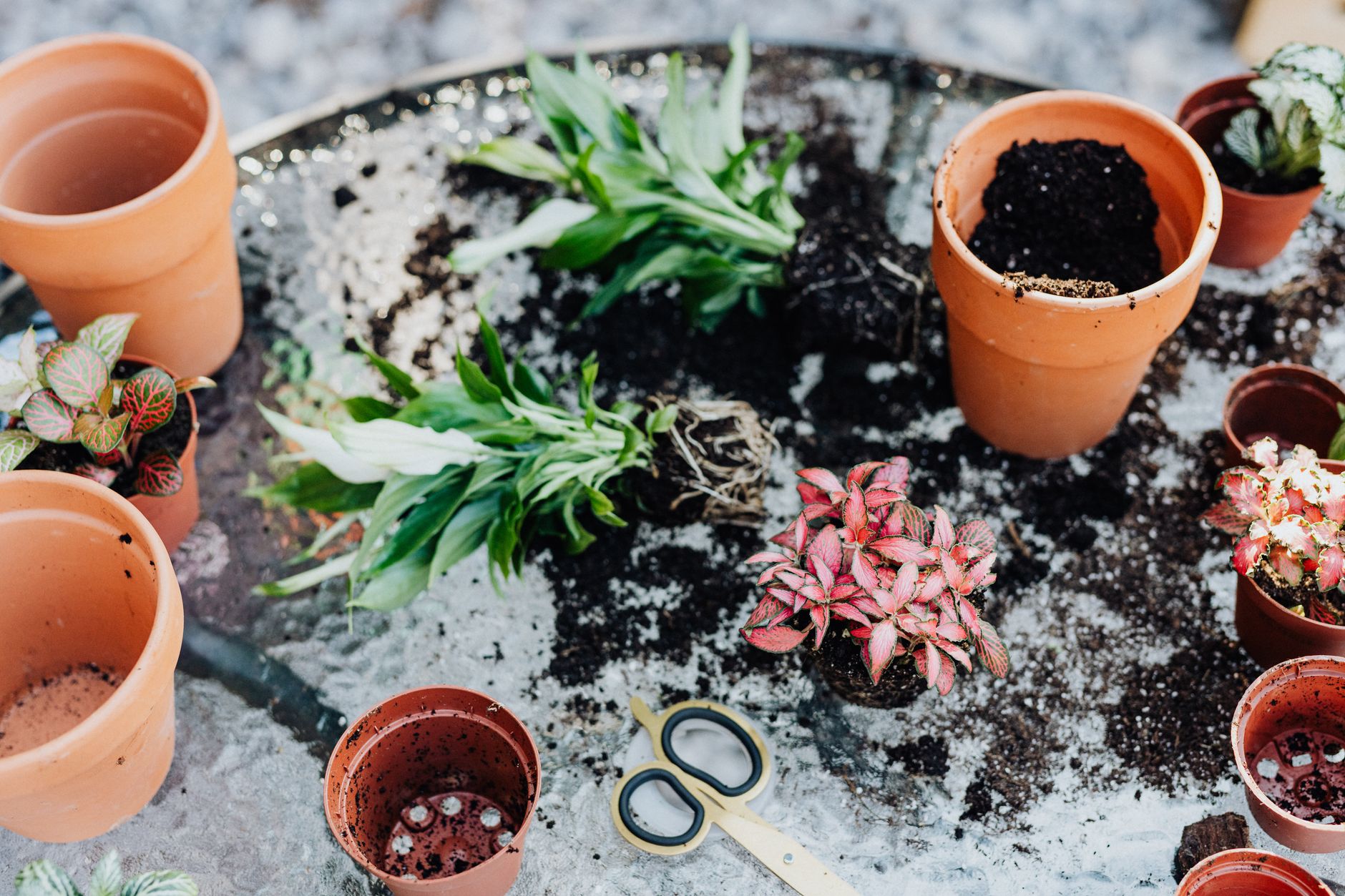
- Eggshell Calcium Boost: Rinse and dry eggshells, crush them into a fine powder using a coffee grinder or mortar and pestle. Mix 1-2 tablespoons directly into the planting hole for tomatoes and peppers to help prevent blossom end rot. You can also steep a handful of crushed shells in a gallon of water for a week to make a calcium-rich “tea” for watering.
- Green Tea Nitrogen Soak: Used green tea leaves (not black tea, which can be too acidic) are a mild nitrogen source. Let them dry out to avoid mold, then sprinkle them on the soil surface as a mulch or mix them into the top inch of soil. Two to three bags’ worth per medium pot is plenty.
- “Lazy Person’s” Banana Peel Potassium: For a potassium boost for flowering and fruiting, chop up banana peels into 1-inch pieces and bury them 2-3 inches deep near the root zone of your plants at planting time. They’ll decompose in the pot, releasing potassium slowly. Do not just lay them on top—they will attract fruit flies.
Do not just lay them on top—they will attract fruit flies.
Your Printable Balcony Feeding Calendar
Feeding isn’t a constant; it changes with the plant’s life cycle and the season. This calendar is your year-round blueprint. (Print and stick it on your fridge).
Early Spring (Planting Time): Mix a balanced, slow-release organic fertilizer (like Espoma Plant-tone) into your potting mix according to the bag’s label. This is your soil’s foundation meal.
Late Spring to Early Summer (Active Growth): Once plants are established and growing vigorously (about 3-4 weeks after planting), begin supplemental feeding. For heavy feeders (tomatoes), apply a liquid fertilizer every 2-3 weeks. Use a balanced organic liquid (fish & seaweed emulsion) or a synthetic with a higher nitrogen number (like 10-5-5) to support leafy growth.
Mid-Summer (Flowering & Fruiting): Shift the nutrient focus. When flowers appear, switch to a fertilizer higher in potassium (the third number) and phosphorus (the second number), like a 5-10-10 or a tomato-specific formula. This encourages blooms and strong fruit development. Continue every 2-3 weeks.
Late Summer / Fall (Winding Down): For plants finishing up, stop feeding to encourage them to ripen remaining fruit. For fall crops (kale, lettuce), revert to a light, balanced feed every 3-4 weeks until harvest.
Diagnosing Dinner Plate Problems: Yellow Leaves, No Fruit, and Collapse
Your plants talk through their leaves. Here’s how to translate common balcony crises.
- Yellow Lower Leaves: Classic nitrogen deficiency, especially in fast-growing plants like tomatoes. The plant is moving nitrogen from old leaves to new growth. Solution: Apply a liquid nitrogen source (fish emulsion or a balanced synthetic).
- Blossoms Falling Off or No Fruit: Often a pollination issue on windy, high-up balconies. Give flowering plants a gentle shake midday or use a small paintbrush to transfer pollen. Can also be caused by extreme heat or inconsistent watering.
- Blossom End Rot (Dark, leathery spot on tomato bottoms): A calcium delivery problem, almost always caused by irregular watering. The plant can’t transport calcium from the soil to the fruit. Ensure consistent, deep watering. Adding calcium at planting helps but won’t fix erratic watering.
- Purple Tinge on Leaves: A sign of phosphorus deficiency or cold soil temperatures early in the season. It often corrects itself as the soil warms. If it persists, a liquid fertilizer with phosphorus can help.
Harvesting the Rewards: How Feeding Affects Flavor
This is the final, delicious proof. Consistent, appropriate feeding doesn’t just give you more food; it gives you better food. A tomato plant stressed for potassium will produce bland, watery fruit. Herbs grown with steady, light feeding have more concentrated oils and flavor. The goal isn’t monstrous size, but optimal quality. When you harvest, note the taste. If your basil is weak, up the feeding slightly next time. If your tomatoes are cracking from too-fast growth, you might be overdoing the nitrogen. Your palate is the ultimate gauge of your soil blueprint’s success.
Key Takeaways: Your Soil Blueprint Cheat Sheet
First, never use garden soil in pots. Build or buy a soilless mix based on coir, compost, and perlite. Second, match your feeding to the plant’s life stage: nitrogen for growth, potassium and phosphorus for flowers and fruit. Use the quick-reference table to gauge appetite. Third, adopt at least one no-waste fertilizer hack—the eggshell powder for tomatoes is the highest-impact, easiest place to start. Implement these three actions, and you’ve solved 90% of balcony feeding failures.
Small changes, real momentum
Get practical guides and templates you’ll actually use — a few thoughtful emails a month.
Frequently Asked Questions
How often should I really fertilize my container vegetables?
There’s no universal schedule, but a strong baseline is every 2-3 weeks for heavy feeders (tomatoes, peppers) with a liquid fertilizer during their main growing season. Light feeders (lettuce, herbs) may only need feeding every 4-6 weeks, or just one dose of slow-release fertilizer at planting. The best indicator is your plant’s growth and leaf color. If growth stalls or leaves pale, it’s time to feed. Always err on the side of under-feeding; you can always add more, but you can’t take it out.
Can I over-fertilize with organic fertilizers?
Yes, absolutely. While it’s harder to “burn” plants with organics compared to powerful synthetics, you can still cause harm. Excess nutrients can lock each other out, making them unavailable to the plant. For example, too much potassium can interfere with magnesium uptake. Always follow the application rates on the organic fertilizer package. More is not better. In containers, excess salts from any fertilizer type can build up over time, which is why occasional deep watering to flush the soil is a good practice.
Are coffee grounds a good fertilizer for balcony pots?
Used coffee grounds are a decent, mild source of nitrogen and can improve soil texture. However, they should be used with caution. Never use them fresh or in large clumps, as they can compact and create a water-repellent barrier. Always let them dry thoroughly first, and then sprinkle a thin layer (no more than ¼ inch) on the soil surface or mix them sparingly into the top layer of soil. They are slightly acidic, which is great for blueberries or potatoes but unnecessary for most vegetables grown in already-slightly-acidic potting mix. Composting them first is the ideal method.
Related from our network
Grow Something Good
Seasonal how-tos and sustainable gardening you can actually use.